Monkey King
Monkey King Rolling Papers: Hemp, King Size
£24.99
£0.50 each
In stock — dispatched today if ordered by 3pm
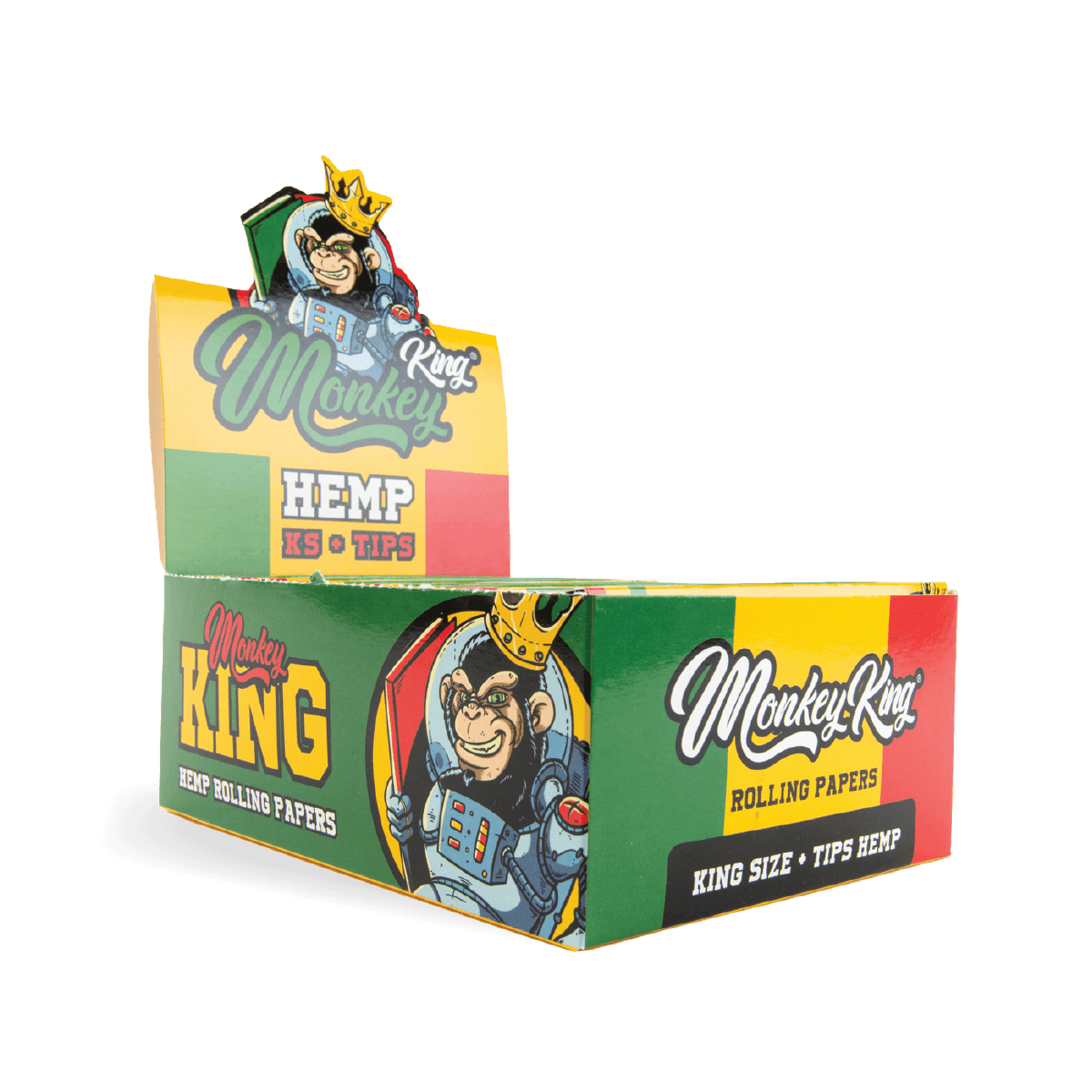
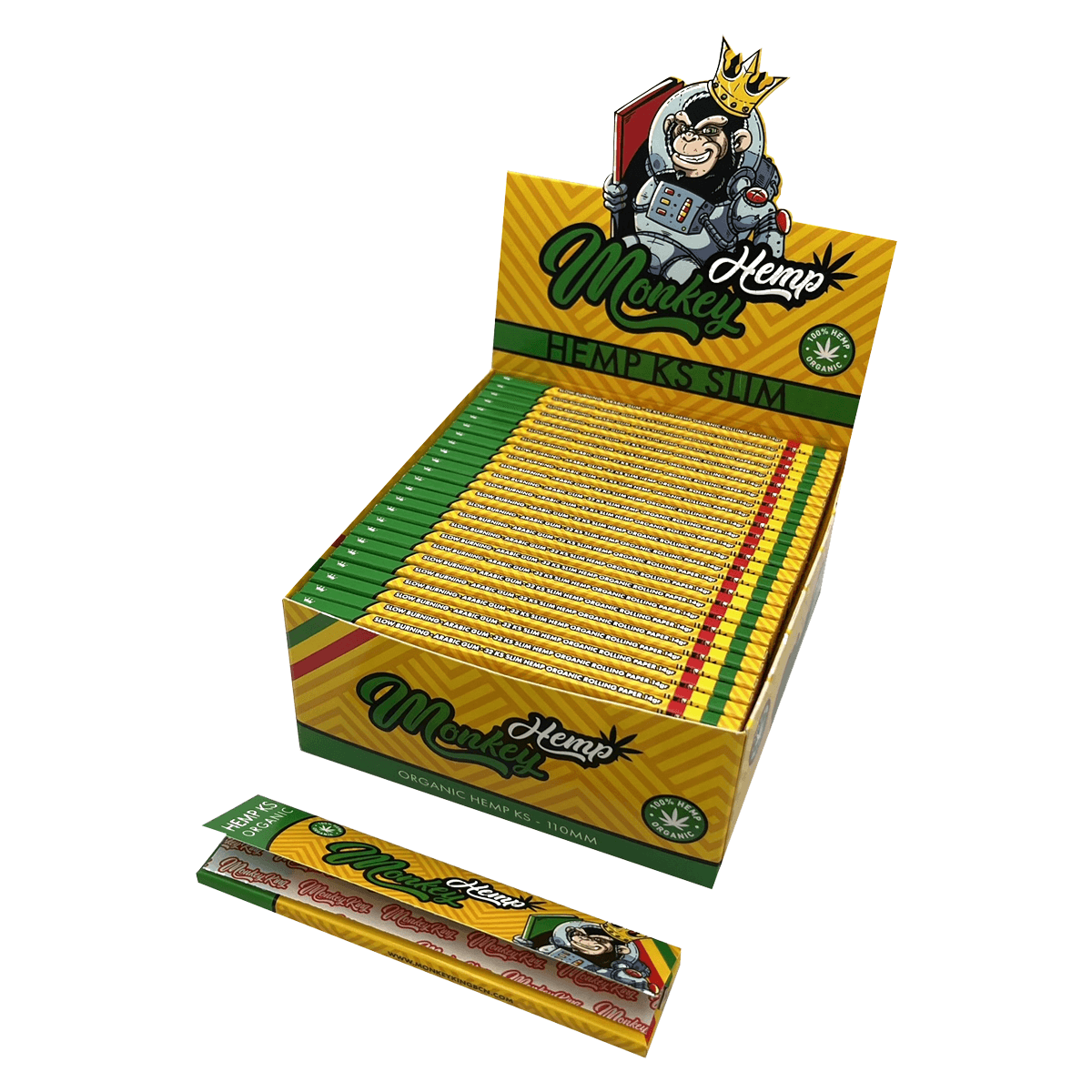
Unbleached hemp King Size slim papers at 108 by 44mm and 14gsm, gummed with natural Arabic gum. Thin enough to sit in the rice band. 18+ only.
- Free UK delivery on orders over £30
- Third-party lab-tested — COA on every batch
- Discreet plain packaging, no branding outside
- Sold to over-18s only, age-checked at checkout
Monkey King Rolling Papers in hemp are King Size slim leaves measuring 108 by 44mm, made from unbleached hemp at 14gsm and gummed with natural Arabic gum. Those are the numbers, and they are the reason this page exists. Almost every page selling this paper tells you it is ultra thin and slow burning, then stops. Even the most thorough rolling paper guide we could find, running to around 2,100 words with a proper comparison table, gives thickness as adjectives and not a single gsm figure anywhere. So here is what the paper actually measures, what 14gsm means against the published ranges for every other material, and one thing about this listing that does not add up.
What you are actually buying, in millimetres
Rolling paper sizing is a naming convention rather than a standard, which is why two shops can sell you the same size under different names and both be right.
King Size slim is the long, narrow leaf. Monkey King's is 108 by 44mm, per its own specification. Medium, also written 1 1/4, is the middle size at 76 by 44mm, and it is the one most people in Britain grew up calling a large skin. Regular 70 is the short one at 68 by 36mm, roughly a cigarette paper.
The width is the part people underestimate. Regular is 36mm across and everything above it is 44mm, so moving from Regular to Medium gains you eight millimetres of width and eight of length. Moving from Medium to King Size gains you 32mm of length and no width at all. That is the whole difference between the two sizes most people are choosing between, and it is a length decision, not a capacity one.
The distributor's specification also lists 32 leaves in a booklet of this size, against 50 in the shorter Regular booklets. Fewer, longer leaves is the standard trade for a King Size book.
One inconsistency worth knowing about before you compare listings elsewhere. One UK retailer we checked lists the same King Size paper as 110mm on one product and 108 by 44mm on another, in the same grid. Both figures are floating around the trade. The 108 by 44mm pair is the one the manufacturer's own specification uses and the one an independent retailer states alongside a matching 14gsm figure, so it is the one we quote.
| Size name | Also called | Dimensions | Leaves in a booklet |
|---|---|---|---|
| Regular 70 | Standard, cigarette size | 68 by 36mm | 50 |
| Medium 1 1/4 | Large skin, rizla size | 76 by 44mm | 32 or 50 by line |
| King Size slim, this paper | Long skin, KS slim | 108 by 44mm | 32 |
14gsm, and why that number beats the words on the pack
Grams per square metre is the only honest way to compare paper thickness, because ultra thin is a marketing word and gsm is a measurement.
This paper is 14gsm. To know whether that is thin you need the bands, and those are published, just not by anyone selling you a booklet.
Hemp papers run from about 14 to 25gsm. Rice runs from about 10 to 14. Flax sits around 13 to 18. Wood pulp, the traditional material, is the heaviest at roughly 18 to 28.
Set 14gsm against that and something interesting falls out. This hemp paper sits at the absolute bottom of the hemp band and inside the rice band. It is thinner than every wood pulp paper on the market and as thin as hemp is made.
Which quietly contradicts the thing every guide repeats, that hemp is the chunkier, grippier paper and rice is the thin one. As a generalisation about the materials it holds. As a statement about this specific product it does not, because 14gsm is 14gsm regardless of what the fibre is called.
The practical effect of a light paper is that less of what you are burning is paper, so the paper contributes less of its own character to the smoke. Hemp is usually described as carrying a mild, slightly earthy note where wood pulp is the one people notice. The brand's own claim is a slow burn with no additives.
What a light paper is not is easier. Thin paper tears more readily, creases where you did not want it to, and behaves worse in damp air. That is the trade you are making.
| Material | Typical gsm band | Burn rate | This paper |
|---|---|---|---|
| Rice | 10 to 14 | Very slow | 14gsm overlaps the top of this band |
| Flax | 13 to 18 | Medium to slow | Inside this band |
| Hemp | 14 to 25 | Slow | At the very bottom, as thin as hemp gets |
| Wood pulp | 18 to 28 | Medium to fast | Thinner than all of it |
One description, seven different papers
Here is the part that does not add up, and we would rather tell you than let you find it.
Our distributor sells this King Size line in seven finishes: Blue, Green, Hemp, LGBT, Rainbow, Unbleached and White. We pulled all seven listings. Every one carries a byte-identical description, and that description states the material as unbleached hemp paper.
That cannot be true of all seven. A White paper is bleached by definition, since white is what bleaching produces. Blue, Green, Rainbow and LGBT are coloured sheets, and the same distributor's listings for its coloured Medium papers attribute that colour to natural vegetable colourants, which is a different specification again.
The same fault shows up elsewhere in the range. One Medium listing describes the paper as crafted with natural wood fibres in its prose and then gives its material as white rice paper in its own specification block, two sentences later.
So the specification blocks are being pasted across a family rather than written per product, which is ordinary practice in wholesale and still means nobody buying one of the seven can trust the material line.
The good news for this particular page is that the boilerplate is coherent here. Unbleached hemp paper is exactly what the Hemp variant is, so the description that is wrong on six listings happens to be right on this one. We have asked our distributor to correct the other six rather than quietly benefit from the confusion.
If you are choosing between the colours, this is the reason to pick on the name rather than on the description underneath it.
Arabic gum, and what unbleached actually means
Two words appear on almost every premium paper and almost nobody explains either.
Arabic gum is the adhesive strip. It is a tree sap, harvested from acacia, and it is the industry standard on natural papers because it is plant-derived rather than animal-derived, which makes it suitable for vegans, and because it seals with saliva and then holds. Synthetic adhesives exist further down the market and are usually the reason a paper unsticks halfway through. This paper is listed as using 100 per cent natural Arabic gum.
Unbleached means the pulp was never whitened. A paper that has not been bleached stays the brown of its own fibre, which is why unbleached papers look tan or greenish rather than white. It is a processing statement, not a quality one on its own, though it does mean one chemical stage fewer between the plant and the sheet.
The two often travel together on natural ranges and they are describing completely different parts of the product. One is the glue, one is the sheet.
For completeness, since this is a CBD shop: there is no cannabinoid in a rolling paper. Hemp here means hemp fibre, the stalk of the plant, which is a different part of the plant from the flower that extract comes from. Our catalogue currently records a cannabinoid spectrum against this row, which is wrong and is being corrected. Our Mr Tipp's blunt tube page sets that out in full.
Papers alone, or papers with tips
Inside this one brand there are four ways to buy essentially the same hemp paper, and the choice between them is not about quality.
This booklet is papers only. Nothing else in the pack. If you already keep tips, or you roll without one, that is exactly what you want and there is nothing here you are not using.
The papers and tips booklet is the same King Size hemp sheet with a card tip section bound in. Convenient, and the reason most people pick it, though the tips are card rather than glass or ceramic and they are single use.
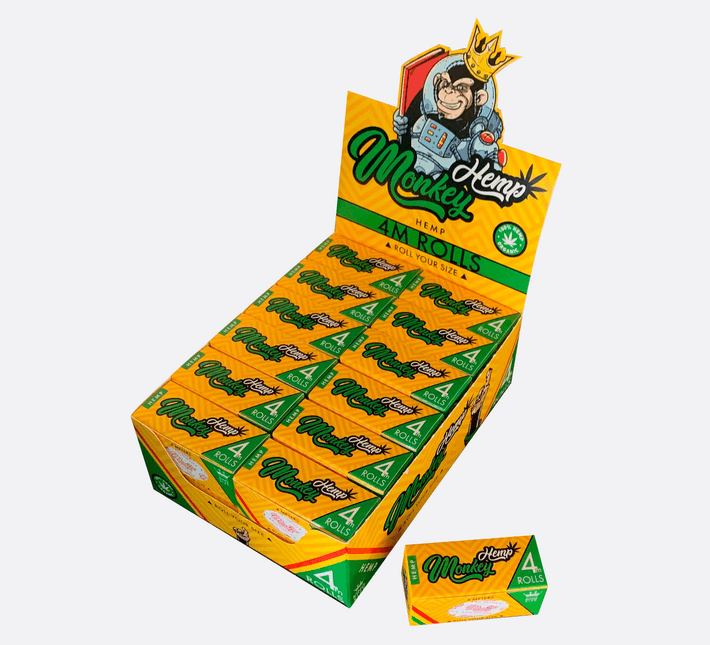
The rolls are a continuous 4 metre length rather than cut leaves, which lets you tear whatever length you want. Useful if you roll long, awkward if you want consistency.
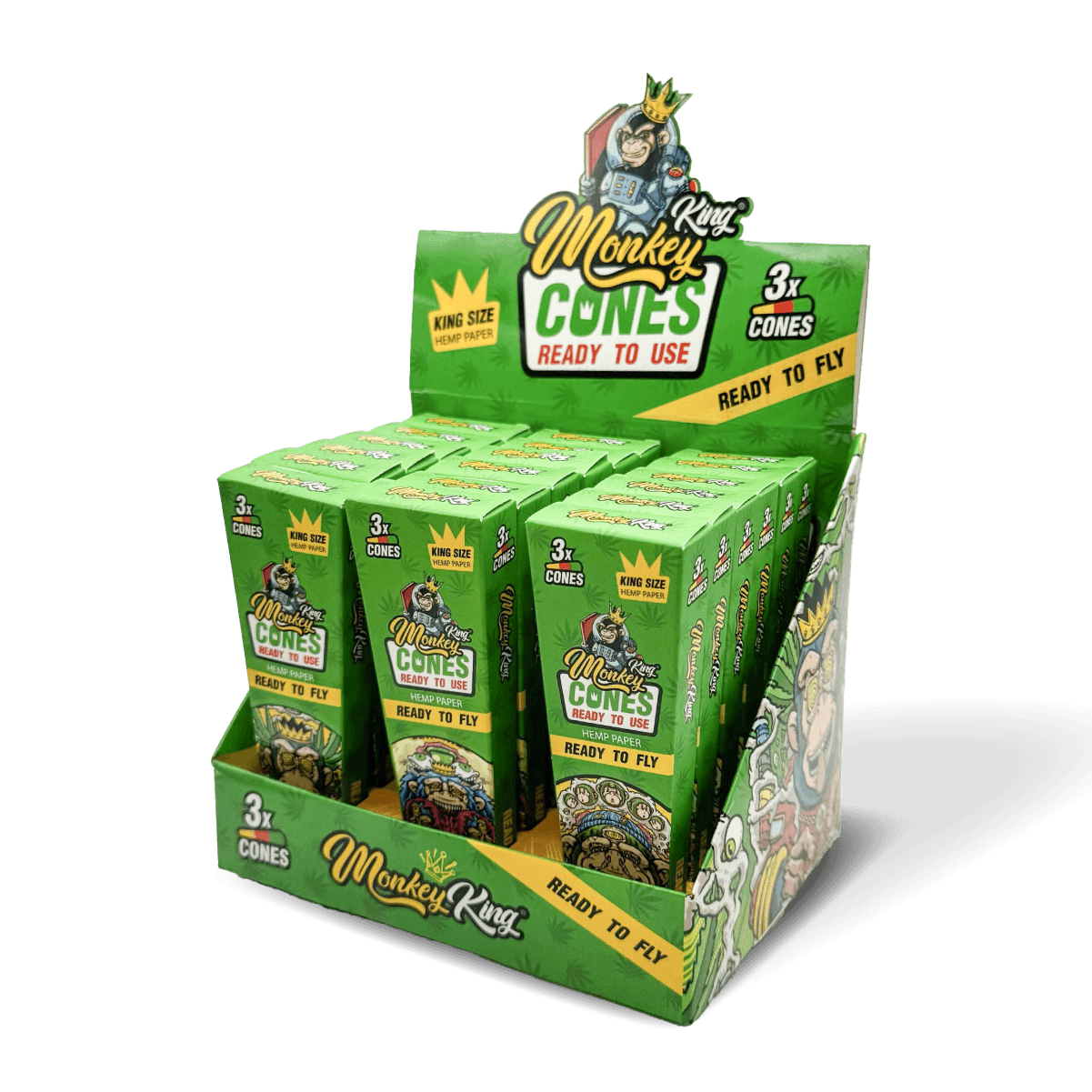
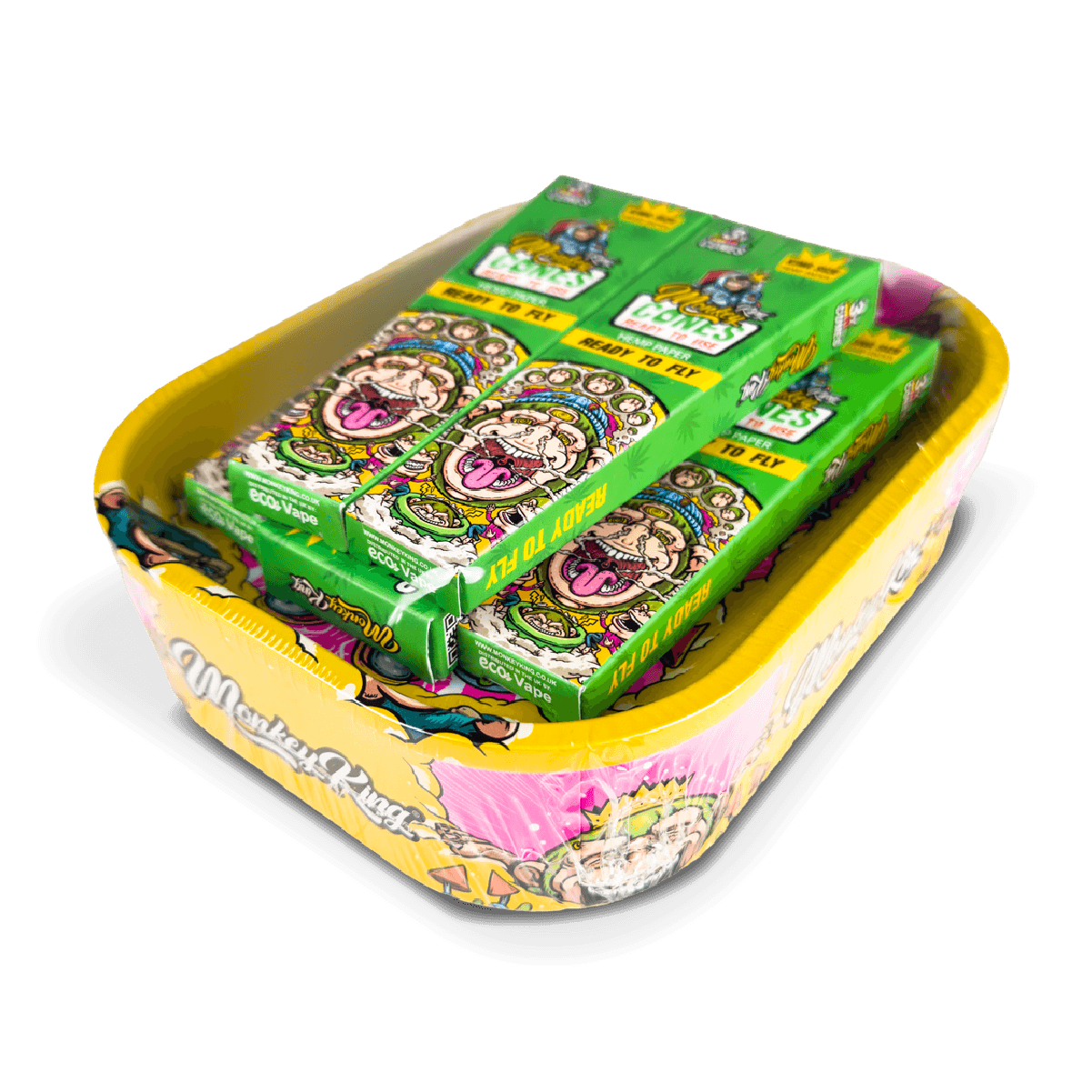
The cones are the no-rolling route. Pre-formed, tipped, and you fill them.
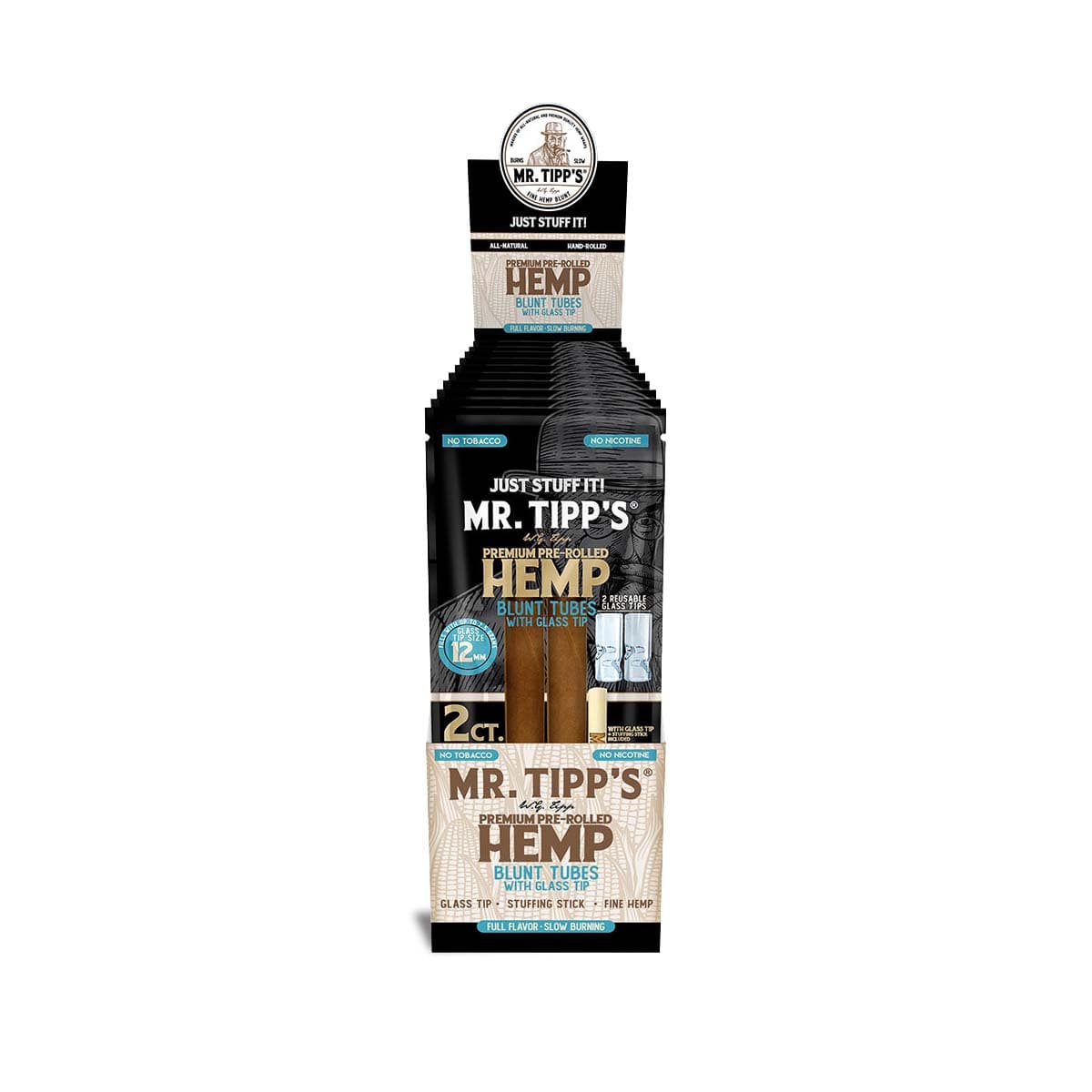
There is also an Expert Stoners edition in hemp at the same King Size. It is a named design series rather than a different paper, and unlike this listing it carries no published specification at all, which is the practical difference between the two if numbers matter to you.
| Format | What is in it | Rolling needed | Best for |
|---|---|---|---|
| Rolling Papers: Hemp, this page | King Size hemp leaves only | Yes | Anyone who keeps their own tips |
| Rolling Papers and Tips: Hemp | Same leaves plus card tips | Yes | Wanting both in one booklet |
| King Size Ultra Thin 4m Rolls | A continuous 4 metre roll | Yes, and cutting | Rolling to your own length |
| Pre-Rolled Cones | Formed, tipped, empty cones | No | Skipping the rolling entirely |
| Expert Stoners: Hemp | King Size leaves, design edition | Yes | Picking on the artwork |
Who should buy something else
If you are new to rolling, a 14gsm King Size is a hard place to start. It is long, it is narrow and it is about as thin as paper gets before it stops behaving. A Medium 1 1/4 in a slightly heavier paper is far more forgiving, and there is no shame in it.
If you want a tip in the same booklet, take the papers and tips version instead. Buying these and then hunting for tips separately is the most common mistake in this aisle.
If you roll in damp conditions, outdoors in a British winter for instance, a thin unbleached paper is the least cooperative thing you can hold. Something heavier will fight you less.
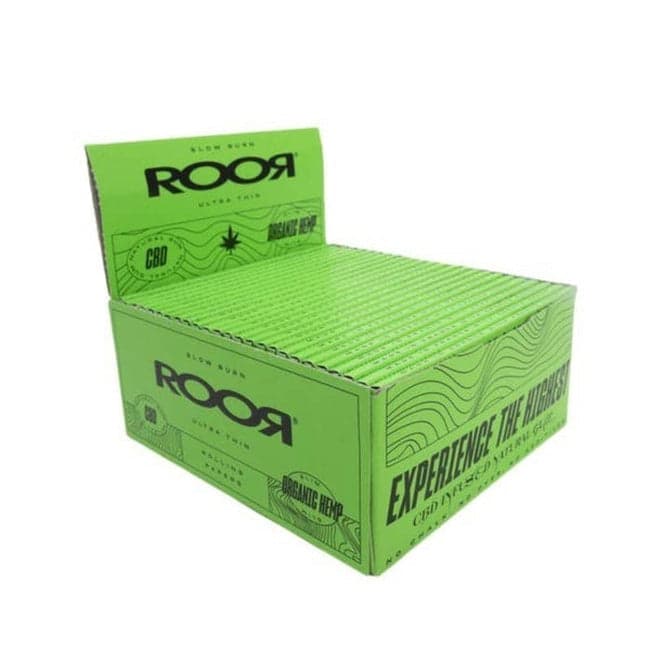
If you specifically want a paper with CBD in it, this is not that, and neither is any other hemp paper on this shelf unless it says so on the front. Our ROOR CBD infused papers are the ones that do.
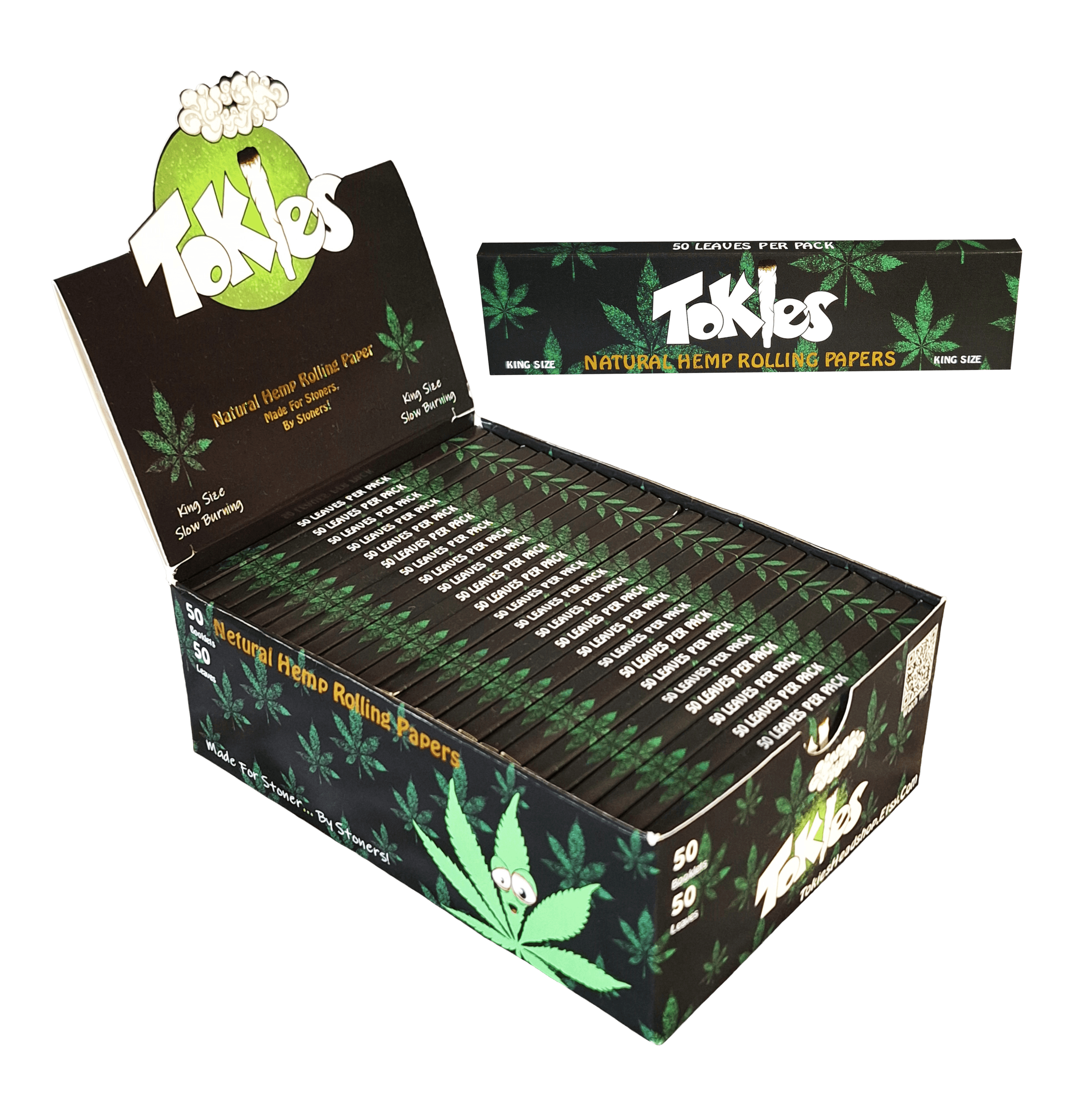
And if you are comparing across brands rather than within this one, our RAW organic hemp papers and the Tokies natural hemp box are the closest equivalents we stock, both King Size and both hemp.
Over 18s only, on everything in this aisle.
Frequently asked questions
- What size is a Monkey King king size hemp paper in millimetres?
- 108 by 44mm, according to the manufacturer's own specification, and an independent retailer states the same figure alongside a matching 14gsm weight. You will also see 110mm quoted in the trade for the same paper, so read that as rounding rather than a different product.
- Is 14gsm thin for a hemp rolling paper?
- It is as thin as hemp gets. Published bands put hemp at roughly 14 to 25gsm, so 14gsm sits at the very bottom of the range and actually overlaps the rice band, which runs from about 10 to 14. It is thinner than every wood pulp paper, which start around 18gsm.
- What does Arabic gum do on a rolling paper?
- It is the adhesive strip. Arabic gum is a sap harvested from acacia trees, so it is plant-derived rather than animal-derived and suitable for vegans. It is the standard on natural papers because it seals with saliva and then holds, where synthetic adhesives tend to let go partway through.
- Are Monkey King hemp papers bleached?
- No. The hemp variant is listed as unbleached, which means the pulp was never whitened, and that is why the sheet is tan rather than white. Bleaching is what produces a white paper, so any white sheet in the same range has been through a stage this one has not.
- Why does the same description appear on every colour in this range?
- Because the distributor pastes one specification block across the whole family. All seven king size colours carry an identical description calling them unbleached hemp, which cannot be true of the white or the coloured sheets. It happens to be accurate for the hemp variant. We have asked for the other listings to be corrected.
- Does the hemp in these papers come from the same plant as CBD?
- Same plant, different part. Papers are made from the stalk fibre, while CBD extract comes from the flower. So a hemp paper and a bottle of CBD oil can share a species and have nothing else in common, which is why nothing measurable carries over into the sheet.
- Where are Monkey King rolling papers made?
- Spain. Several listings across the range state the papers are crafted there, though that line appears on the brand's other size lines rather than on this specific listing, so we report it as a range statement rather than as a claim about this booklet alone.
- Which Monkey King paper includes tips?
- The Rolling Papers and Tips booklet, which is the same king size hemp leaf with a card tip section bound in. This listing is papers only. If you do not already keep tips, the combined booklet means you are not buying twice.
Updated July 2026
Reviews
No reviews for Monkey King Rolling Papers: Hemp, King Size yet. We only publish feedback from people who have actually bought the product, so this stays empty until a real one arrives rather than being filled with anything we made up.
Bought this? Write a review
Write it here and we will check it against your order before it goes up. We publish the critical ones too, so long as they are from a real buyer.
Prefer not to use the form? Send it over instead:
More rolling papers
Papers, cones, wraps, tips