Monkey King
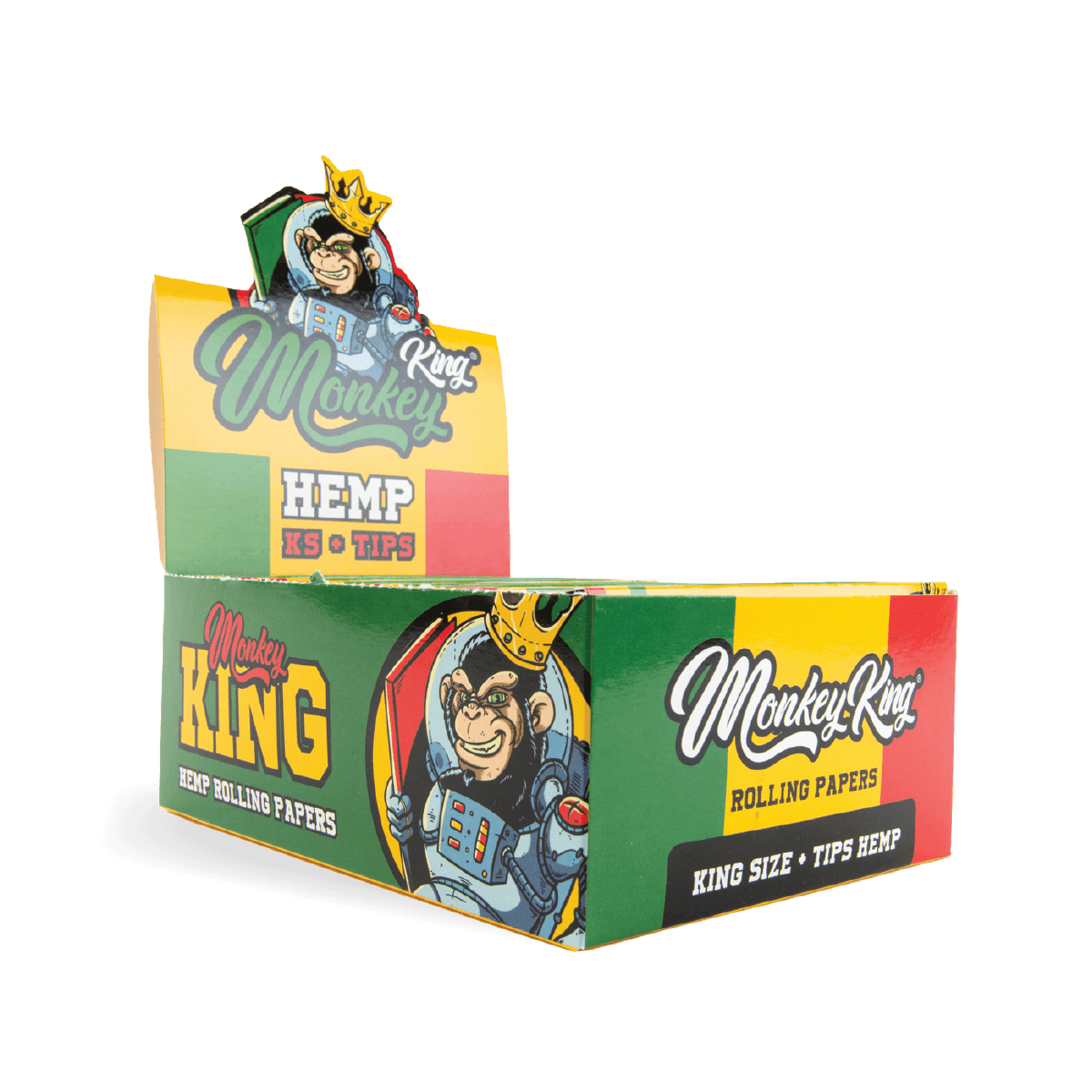
Monkey King Rolling Papers and Tips: Hemp, King Size
£25.99
£1.08 each
In stock — dispatched today if ordered by 3pm
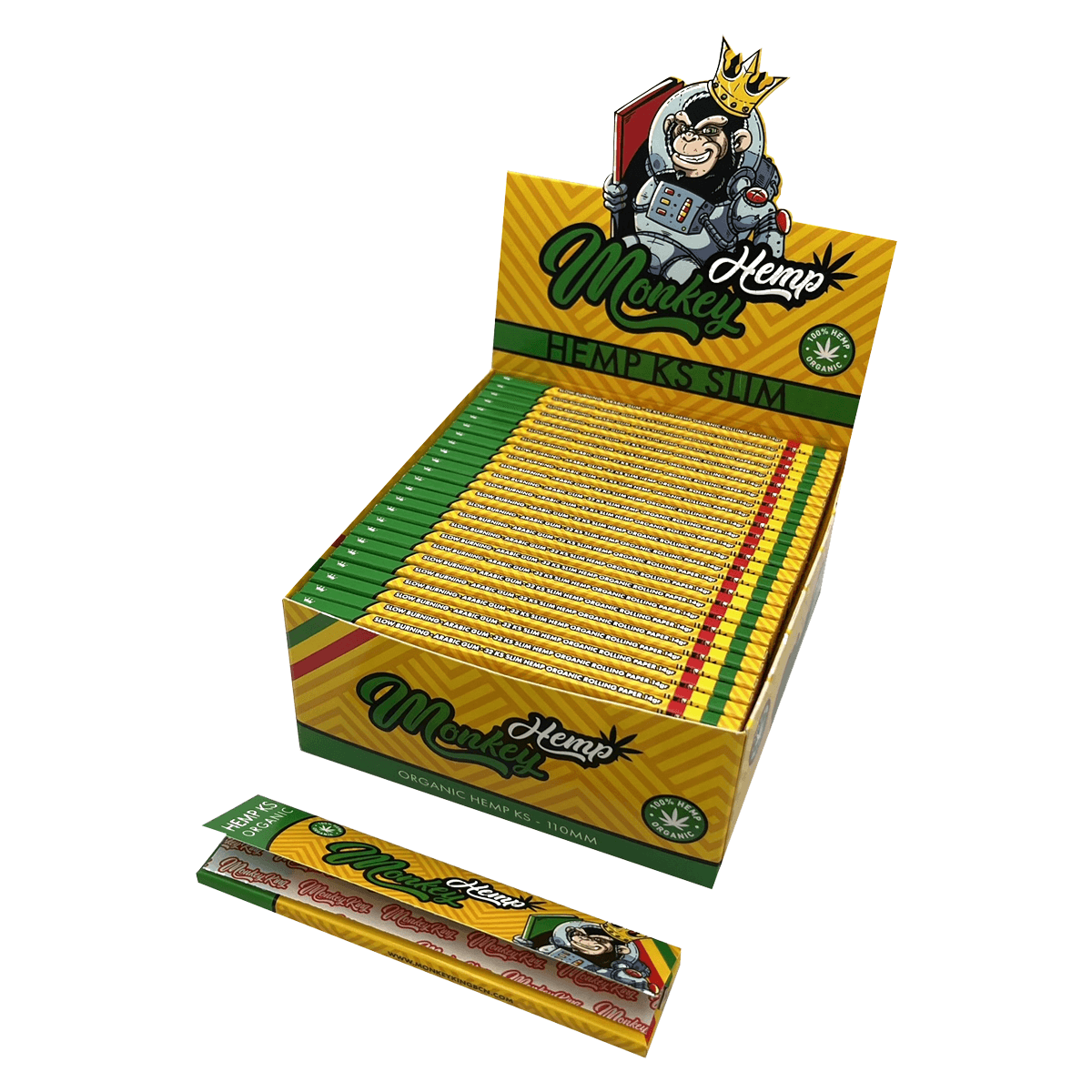
A King Size slim hemp combipack, 108 by 44mm, with matching pre-punched card tips bound into the same booklet. 18+ only.
- Free UK delivery on orders over £30
- Third-party lab-tested — COA on every batch
- Discreet plain packaging, no branding outside
- Sold to over-18s only, age-checked at checkout
Monkey King Rolling Papers and Tips in hemp is a combipack: King Size slim hemp leaves measuring 108 by 44mm, bound in the same booklet as a matching set of pre-punched card tips, so the papers and the tips run out together. The papers are the same ones the brand sells on their own. What almost nobody will tell you is anything about the tip, which is the entire reason to buy this version rather than the other. The brand's own page for this product runs to about eighty five words and does not name the material. So this page starts there.
The tip is more than ten times the weight of the paper
Here is the number, and it took reading five sibling listings to find it.
Three combipacks in this same King Size format, sold under different cover designs, publish a specification the rest of the range leaves out. They give the tips as 160 gram cardboard filters with pre-punching. That figure appears identically on all three, which is what a real manufacturing specification looks like rather than a marketing line.
The paper those tips are bound next to is 14gsm.
So the piece of card at the mouth end weighs, per square metre, more than eleven times what the leaf wrapped around your smoke weighs. They are barely the same class of material. One is engineered to be as close to absent as paper gets, the other is engineered to hold a shape under pressure and not go soft.
That is not a flaw. It is the job. A tip has to stay rigid while being held, chewed slightly and drawn through, and a 14gsm sheet would collapse instantly. But it does explain something people notice and rarely articulate, which is that the tip is the part of a roll that feels manufactured while the paper feels like nothing at all.
We should be straight about the limits of this figure. That 160 gram specification is published on sibling combipacks in the same format and size rather than on this exact listing, which gives its tips no material at all. We report it as what the brand states for this style of tip, not as a verified measurement of the card in this particular booklet.
| Component | Published weight | What it has to do |
|---|---|---|
| King Size hemp paper | 14gsm | Burn evenly and add as little as possible |
| Card tip | 160 gram cardboard, per sibling listings | Hold a shape while being drawn through |
| Ratio | Roughly 11 to 1 | Two very different jobs in one pack |
What the pre-punching is actually for
Every listing in this family calls the tips pre-punched, pre-punctured or perforated. Not one explains what that means, which is a shame because the answer is simple and useful.
A card tip is not used flat. You fold it into a concertina, a short zigzag at one end, then roll the rest of the card around that zigzag to make a cylinder. The zigzag is what stops loose material coming through while leaving a channel open.
Doing that on a plain strip of card is fiddly. The first fold wanders, the concertina ends up uneven, and the finished tip is either too tight or falls apart.
Pre-punching puts a row of perforations across the card exactly where those first folds go. The card breaks along the line instead of wherever your thumbnail happened to be, so the concertina comes out even every time and the finished tip is round rather than oval.
That is the whole feature. It is a fold guide. It makes an awkward small job repeatable, which matters more if you roll often or roll in the cold.
The trade copy attached to these tips also says the pre-punching serves to improve filtration, and another listing in the range says the perforated tips enhance airflow. We are not going to repeat either. A card tip has no filtration medium in it and removes nothing from what passes through. What it does is hold the end open, keep material out of your mouth and give you something firm to hold. Our page on the Mr Tipp's glass tip goes through this properly.
Roach, tip, crutch, filter: four words, one piece of card
British smokers call it a roach. Americans mostly call it a crutch. The trade calls it a tip. Packaging very often calls it a filter.
Three of those four are fine. The fourth is doing work it has not earned.
Roach is the older British term, and confusingly it also refers to the stub left at the end, which is why you will hear the same word used for the thing you put in and the thing you throw away.
Crutch describes the function honestly, since the card is holding the end of the paper up.
Tip is what the trade prints because it is neutral and short.
Filter is the one to be careful with. A cigarette filter is a plug of cellulose acetate designed to trap particulates. A rolled piece of 160 gram card is a tube with a folded partition in it. The two things look similar at the end of a roll and do entirely different amounts of nothing.
We use tip on this site for that reason, and where a listing says filter we leave the word in the quote and do not adopt it.
Why the booklet holds the same number of each
The distributor's specification lists 32 king size slim hemp papers and 32 tips in a booklet. The matching is the entire point of the format.
Buy papers and tips separately and you will always be out of step. Tip packs and paper booklets come in different quantities, so you end up with a drawer of orphaned tips and no papers, or the reverse, which is the specific annoyance the combipack was invented to remove.
It also means one thing in a pocket instead of two, which is why the brand's copy for this style keeps calling it convenient for travelling.
There is a trade-off and it is worth naming. If you already use glass, ceramic or wooden tips, half of this booklet is redundant to you from the moment you open it, and the papers-only booklet in the same hemp and the same King Size is the honest choice instead.
The papers themselves are unchanged between the two. Same 108 by 44mm King Size slim leaf, same natural Arabic gum, same hemp. Our page for the papers-only booklet sets out the size system and the gsm bands in full, and none of that changes because a tip section has been bound in beside them.
Four combipacks that look alike and are not
This is where the range gets genuinely confusing, because the packs are near identical in shape and the paper inside them is not.
The hemp combipack on this page is natural hemp paper. The Natural Unbleached version is listed simply as unbleached paper. The White Ultra Thin is white paper, which means bleached, whatever the surrounding copy implies. And the Classic Wood version, despite sitting in the same rack, is 14gsm wood pulp, a completely different fibre with a different burn and a more noticeable character of its own.
The Billionaire editions go further again and are described as rice paper, and they are the ones quoted at 110mm rather than 108 by 44mm, an inconsistency that runs through this brand's listings and that we cover on the papers-only page.
None of that is visible from the front of the pack. If the fibre matters to you, the material line is the only place it shows up, and as our papers-only page documents, that line is not always reliable across this range.
| Combipack | Paper fibre | Bleached | Tips |
|---|---|---|---|
| Hemp, this page | Natural hemp | No | Card, matched to the leaves |
| Natural Unbleached | Unbleached natural fibre | No | Card, matched |
| White Ultra Thin | White paper | Yes, white is what bleaching makes | Card, matched |
| Classic Wood | 14gsm wood pulp | Listed unbleached | Card, matched |
| Billionaire editions | Rice paper | Varies by edition | Card, colour matched |
Who should buy something else
If you use a reusable tip, skip this and take the papers on their own. Carrying around a tip section you will never touch is the most avoidable mistake in this aisle.
If you have never rolled before, the tip is the easy part and the paper is not. A 14gsm King Size slim is long, narrow and about as thin as paper is made. A shorter Medium leaf in something heavier will be far kinder while you learn.
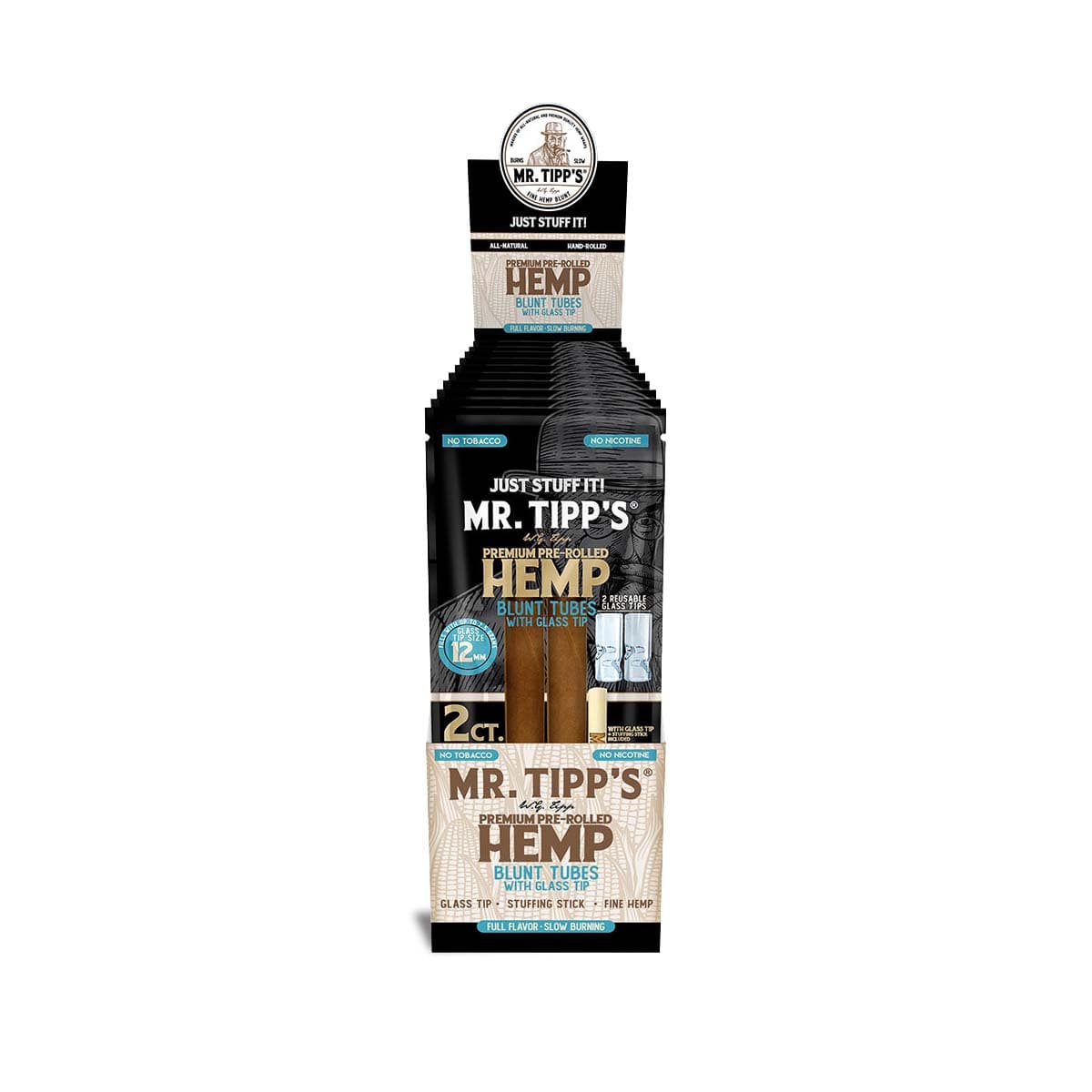
If you want a tip that does something a card tube cannot, the answer is a glass one, and our Mr Tipp's blunt tubes come with a washable 12mm glass tip already fitted.
If you want the fibre named reliably, be aware that the material line on this range is inconsistent enough that we have raised it with our distributor. The hemp variant is the one where the description and the product agree.
And if you came looking for a paper with a cannabinoid in it, this is not one. Hemp here is the stalk fibre. Our ROOR CBD infused papers are the ones on this shelf that genuinely contain CBD.
Over 18s only.
Frequently asked questions
- What are Monkey King filter tips made of?
- Cardboard. Sibling combipacks in this same King Size format specify 160 gram cardboard filters, which is a stiff board rather than paper. This particular listing does not name the material at all, so we report the figure the brand publishes on its other packs of the same style.
- Why are the tips pre-punched?
- To guide the first folds. A card tip is folded into a concertina at one end before being rolled into a cylinder, and a row of perforations makes the card break exactly where those folds should go. The result is an even zigzag and a round tip rather than a lopsided one.
- How thick is a rolling paper tip compared with the paper?
- Roughly eleven times heavier by area. The tips in this style are given as 160 gram cardboard while the King Size hemp paper is 14gsm. They are two very different materials doing two very different jobs inside the same booklet.
- Is a roach the same thing as a tip?
- Usually yes, though British usage is ambiguous. Roach is the older British word for the piece of card you roll in, and it is also used for the stub left at the end, so the same word covers what you put in and what you throw away. The trade prints tip, Americans tend to say crutch.
- Why do you not repeat the filtration claim from the pack?
- Because it is not accurate and we would rather lose the phrase than the trust. The trade copy on these tips says the pre-punching improves filtration. A rolled piece of card has no filtration medium in it and removes nothing from the smoke. It holds the end open and keeps material out of your mouth.
- Do card tips need replacing after every use?
- Yes, which is the main practical difference between card and glass. A card tip is folded, rolled, burnt down to and discarded with the stub. A glass tip is washed and used again. That is why a booklet pairs a tip with every leaf rather than including one or two.
- What is a combipack?
- A booklet holding papers and tips together in matched quantities, so you never run out of one before the other. It is also one item in a pocket instead of two, which is the reason the brand's own copy for this format keeps mentioning travelling.
- Which Monkey King combipacks use hemp paper?
- The hemp one on this page is the only King Size combipack in the range whose material line reads natural hemp. The Natural Unbleached is listed as unbleached paper, the White Ultra Thin as white paper, the Classic Wood as wood pulp and the Billionaire editions as rice paper.
Updated July 2026
Reviews
No reviews for Monkey King Rolling Papers and Tips: Hemp, King Size yet. We only publish feedback from people who have actually bought the product, so this stays empty until a real one arrives rather than being filled with anything we made up.
Bought this? Write a review
Write it here and we will check it against your order before it goes up. We publish the critical ones too, so long as they are from a real buyer.
Prefer not to use the form? Send it over instead:
More rolling papers
Papers, cones, wraps, tips