Professor Herb
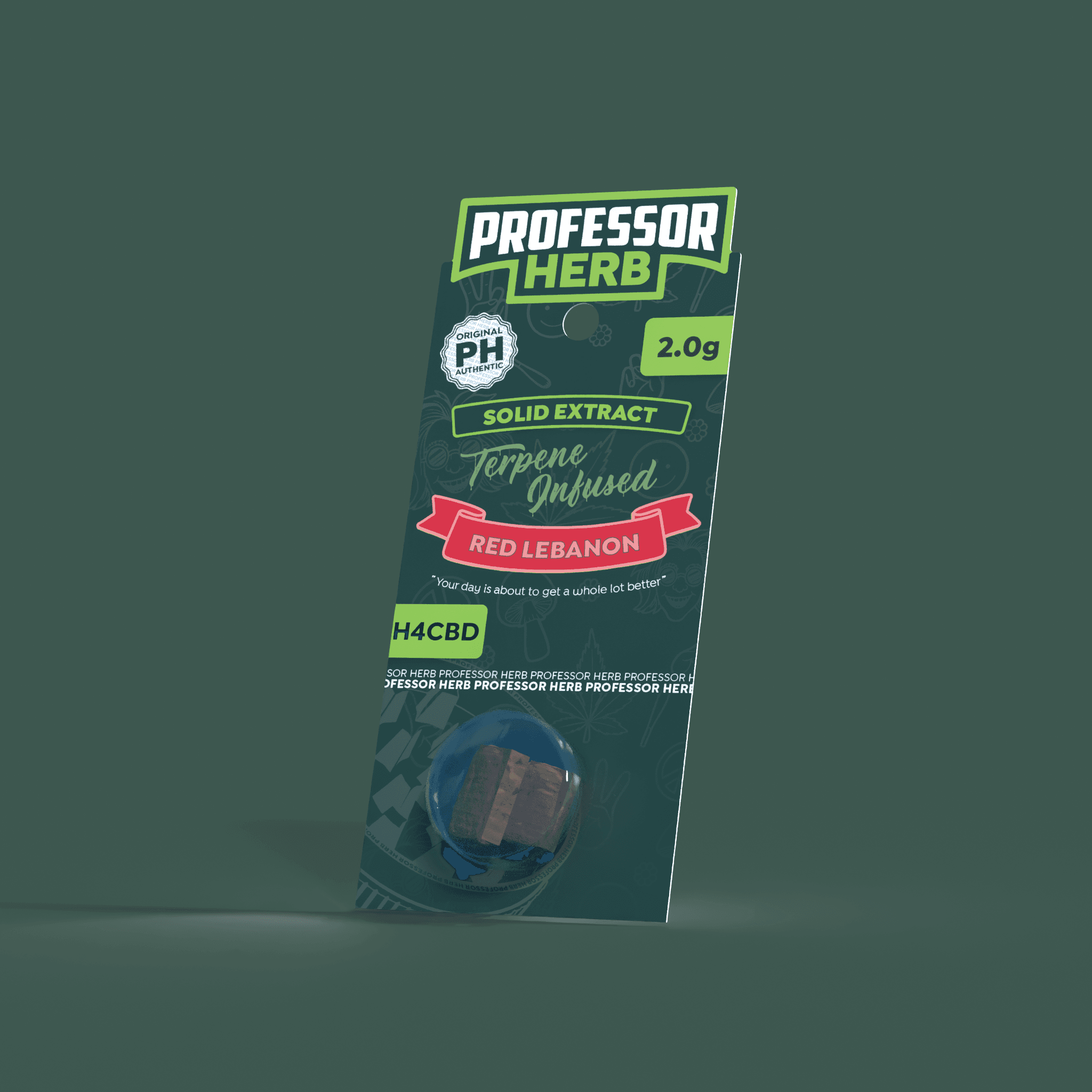
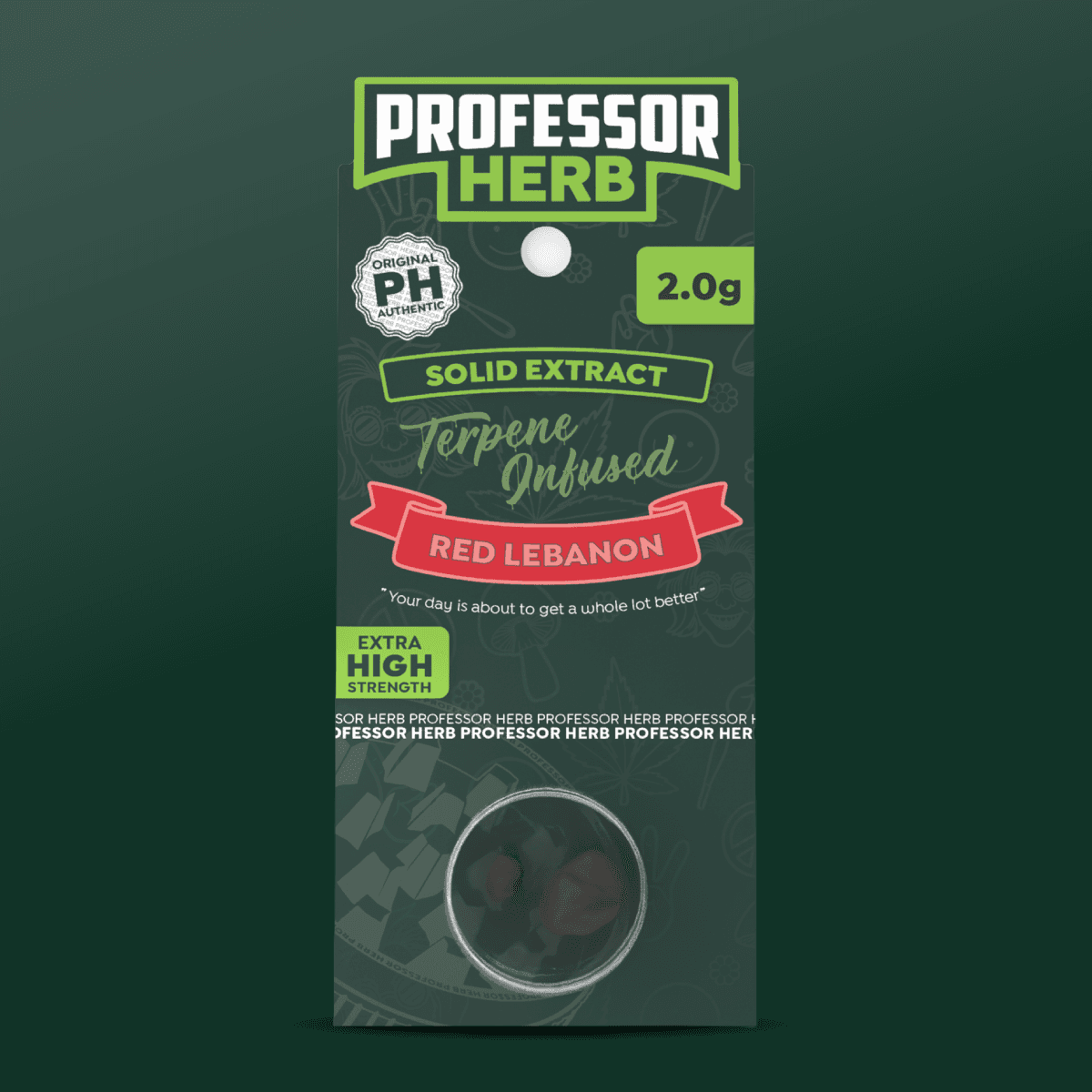
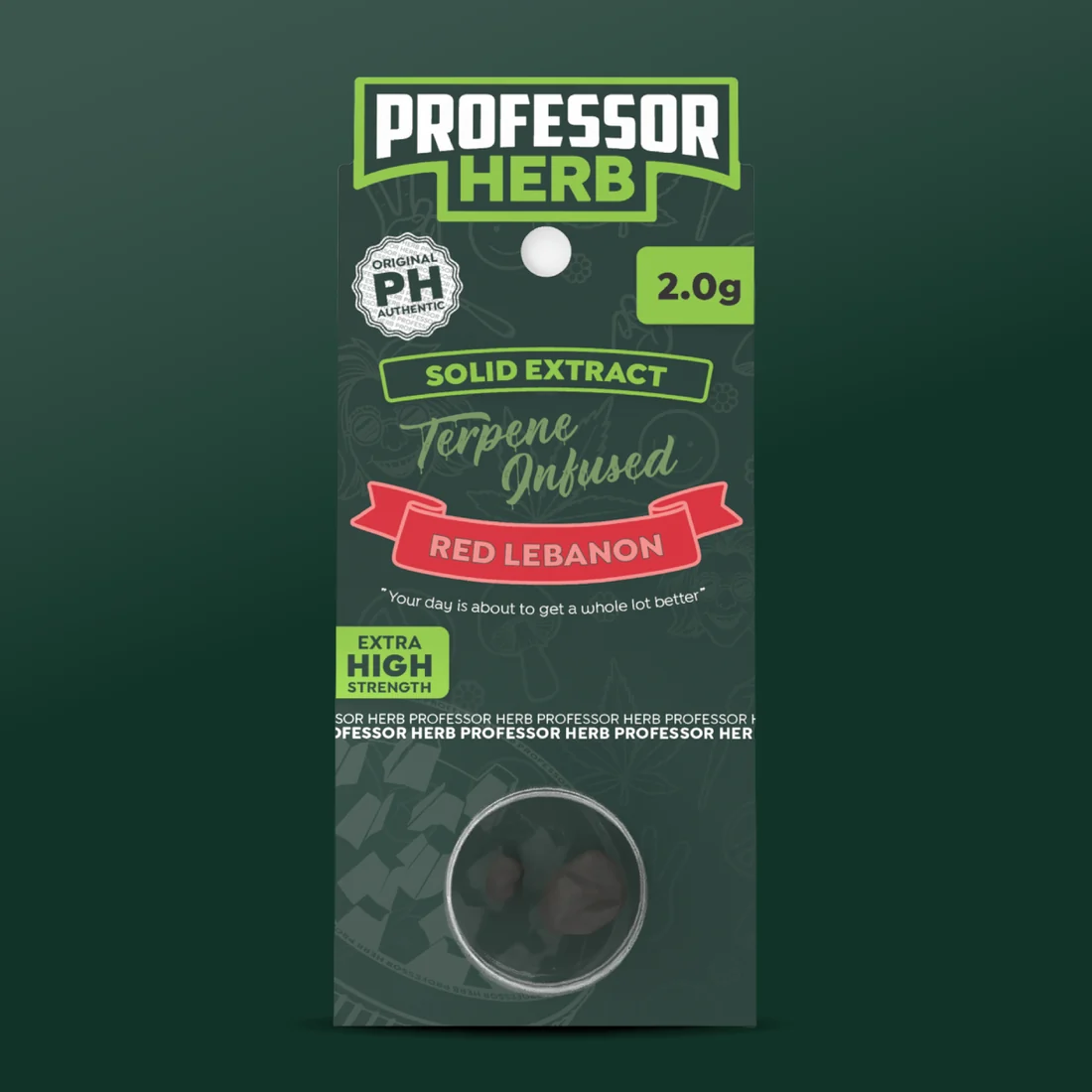
Professor Herb Hemp Solid Extract 2g, Red Lebanon Hash 17%
£13.99
In stock — dispatched today if ordered by 3pm
A 2g solid hemp extract at a stated 17 per cent, made in the Red Lebanese style: sifted resin pressed and aged until it darkens. Earthy rather than sweet. 18+ only.
- Free UK delivery on orders over £30
- Third-party lab-tested — COA on every batch
- Discreet plain packaging, no branding outside
- Sold to over-18s only, age-checked at checkout
Professor Herb Hemp Solid Extract 2g Hash 17% is a solid hemp extract in a 2g pot made in the Red Lebanese style, stated at 17 per cent. The style name is the part the product title leaves out, and it is the part that tells you most. Red Lebanese hash is a specific tradition with a specific reason for being the colour it is, and that reason is the opposite of what a dark colour usually signals.
What Red Lebanese hash actually is
The tradition comes from the Bekaa Valley in Lebanon, which has produced hash for centuries and did so long before any of the modern washing methods existed.
The process is old and simple. Plants are sun-dried rather than dried indoors. The dried flower is then rubbed and sifted over fine mesh or silk screens so the resin separates from the plant material as a powder. That powder is wrapped in cloth and pressed with gentle heat until it forms a solid brick.
What sets the Lebanese approach apart from most others is what happens next, which is nothing at all, for a long time. The bricks are aged, commonly for something in the region of four to eight months, and the ageing is not idle time in a warehouse. It is part of the production.
The tradition built its reputation on being smooth and balanced rather than on being strong. That is worth holding on to, because it explains why the numbers on a Lebanese-style product are not the point of it.
The mechanics of sifting resin, and why separating it concentrates anything at all, are set out on our Euphoria Moroccan page. What follows here is about the tradition rather than the physics.
Red and blonde are not better and worse
Lebanese hash is sold in two well-known colours, and almost everybody assumes one is the good one. They are not a quality ladder. They are a harvest date and a length of ageing.
Blonde is made from an earlier harvest and aged less. It stays lighter, and the aroma is cleaner and spicier, with more of the brightness the fresh resin had.
Red is made from a later harvest and aged considerably longer. Over those months the resin slowly oxidises, the colour deepens from golden through amber towards brick, and the aroma changes with it: less bright, more earthy, deeper and more layered.
So the two are different points in the same process rather than two grades of the same thing. Choosing between them is a preference about flavour, not a decision about quality, and anyone selling you red as the premium version is telling you something the tradition does not support.
| Blonde | Red | |
|---|---|---|
| Harvest | Earlier in the season | Later in the season |
| Ageing | Shorter | Commonly around four to eight months |
| Colour | Lighter, golden | Deep amber through to brick |
| Aroma | Cleaner, brighter, spicier | Earthier, deeper, more layered |
| Which is better | Neither. It is a preference, not a ranking | Neither. It is a preference, not a ranking |
A correction to something we told you on another page
On our Bubble Hash page we gave a rule of thumb for judging a piece of hash by eye: higher grades tend towards light tan or golden, and darker material usually means more plant matter came through or that the resin has oxidised.
That rule holds for a washed or sifted modern grade, where you are looking at material that is supposed to be clean and fresh. It does not hold here, and we would rather qualify it ourselves than leave you applying it to the wrong thing.
In a Red Lebanese product the oxidation is the point. The producer has deliberately aged the material for months precisely so that it darkens and the flavour deepens. Judging it against a full-melt colour standard would be like marking down a well-hung steak for not looking like a fresh one.
So the honest version of the rule is that colour tells you something only once you know which tradition a product belongs to. On a modern washed grade, dark is a question worth asking. On a Red Lebanese, dark is the answer the maker was working towards. The melt and texture cues on that other page still apply in both cases, and they are the more reliable tests anyway.
Lebanese in style, Italian in origin
One thing to be clear about, because the name invites an assumption. This product is not from Lebanon. Professor Herb's solid extract range is grown and extracted in Italy from indoor-grown hemp, which the brand states plainly, and Red Lebanon here describes the style of production rather than the geography.
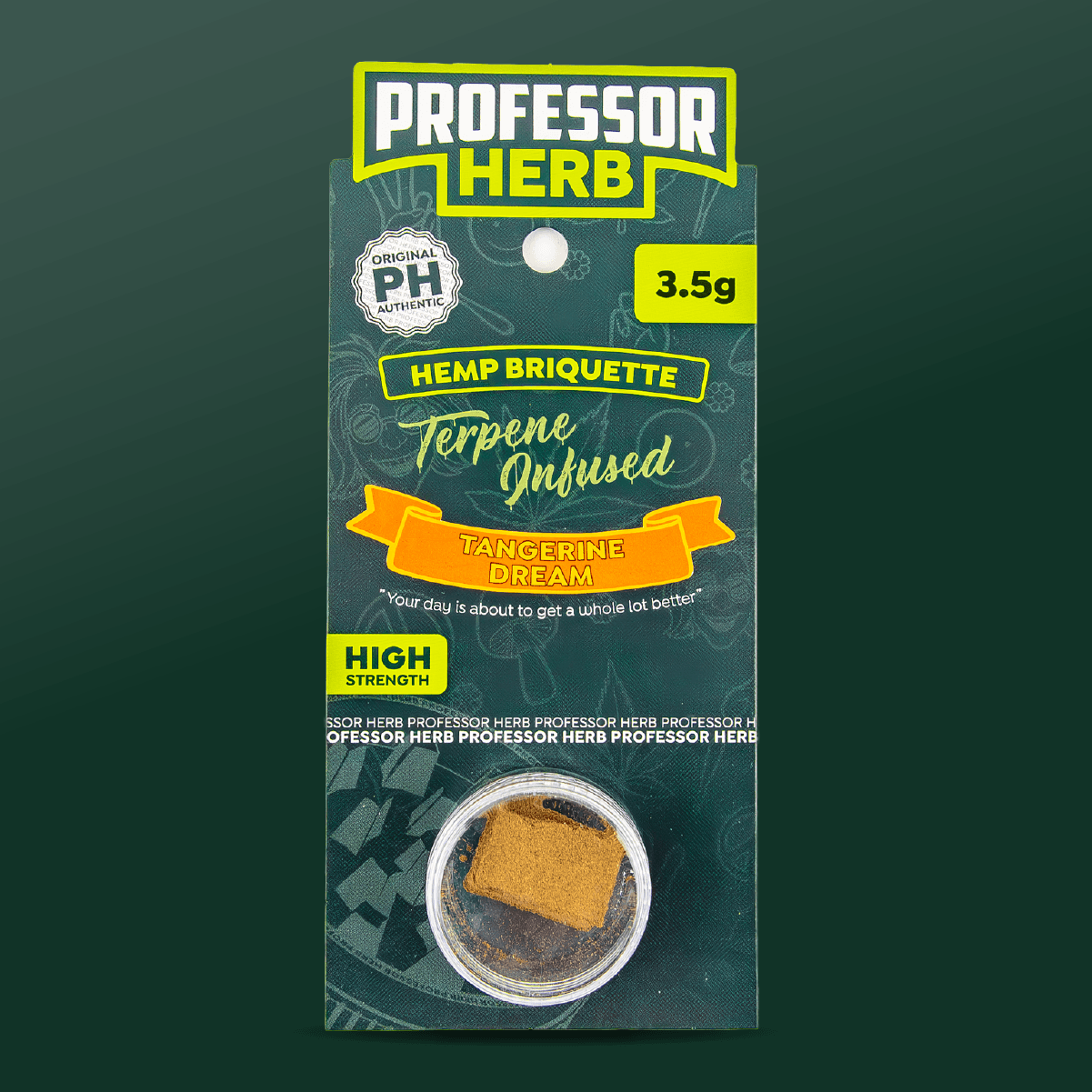
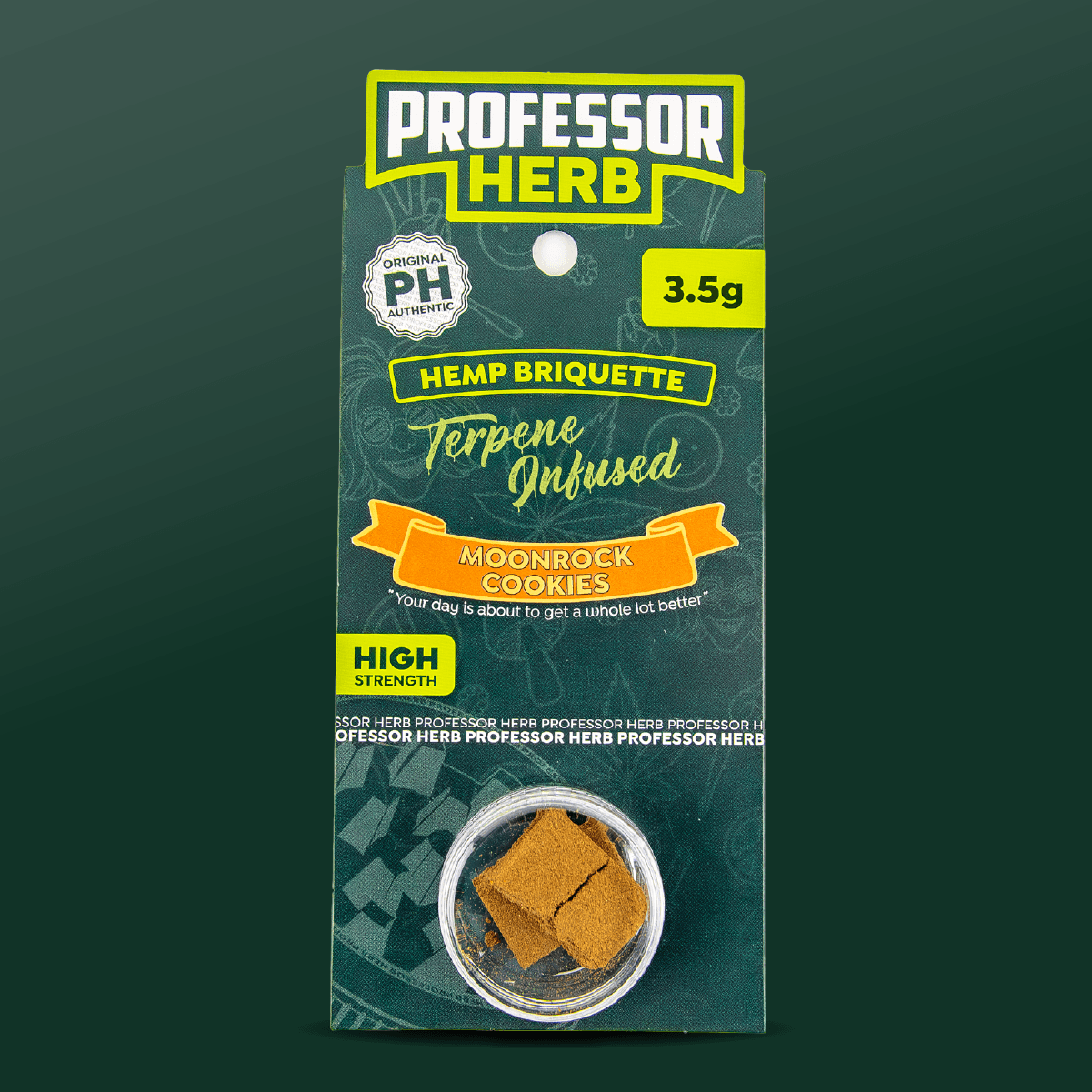
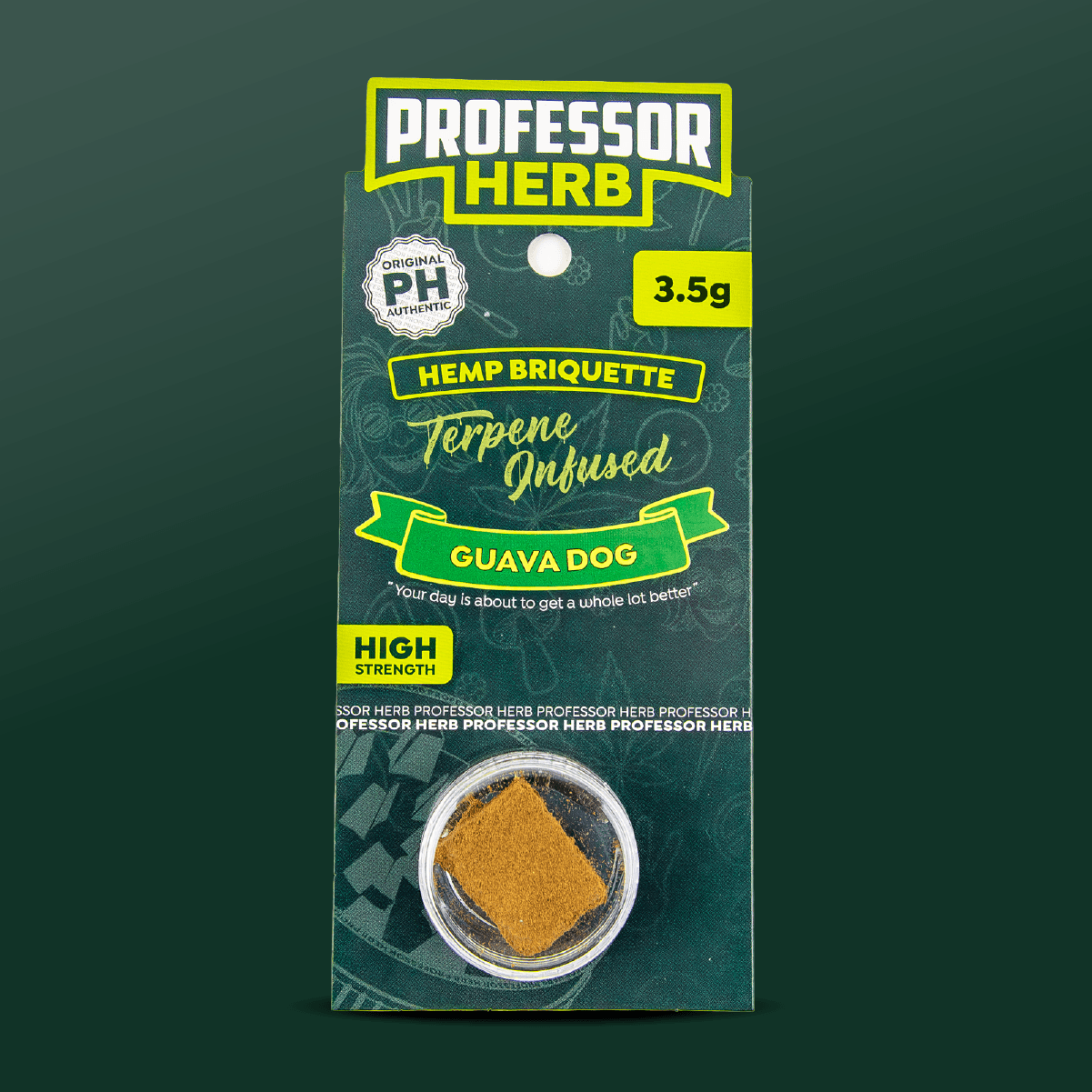
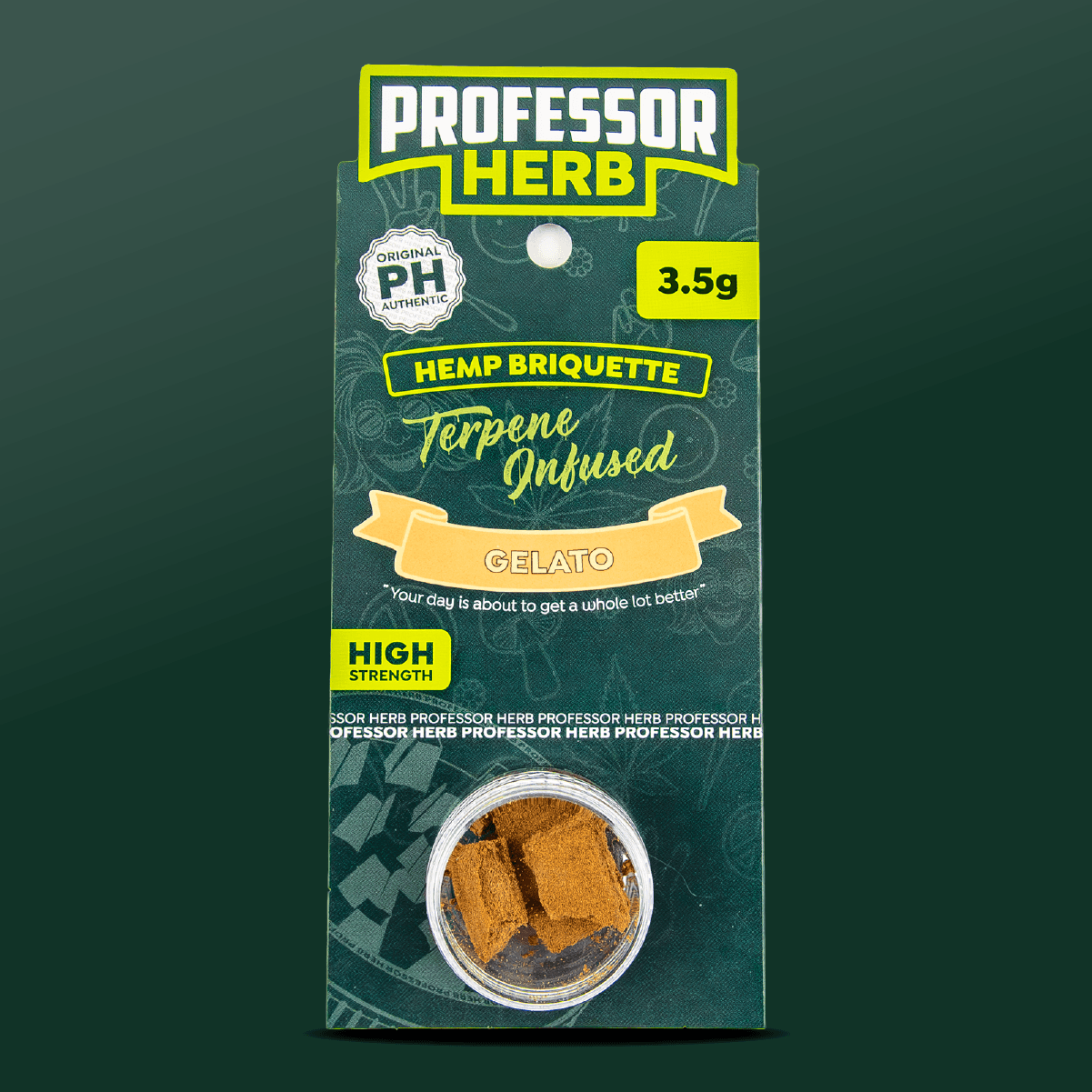
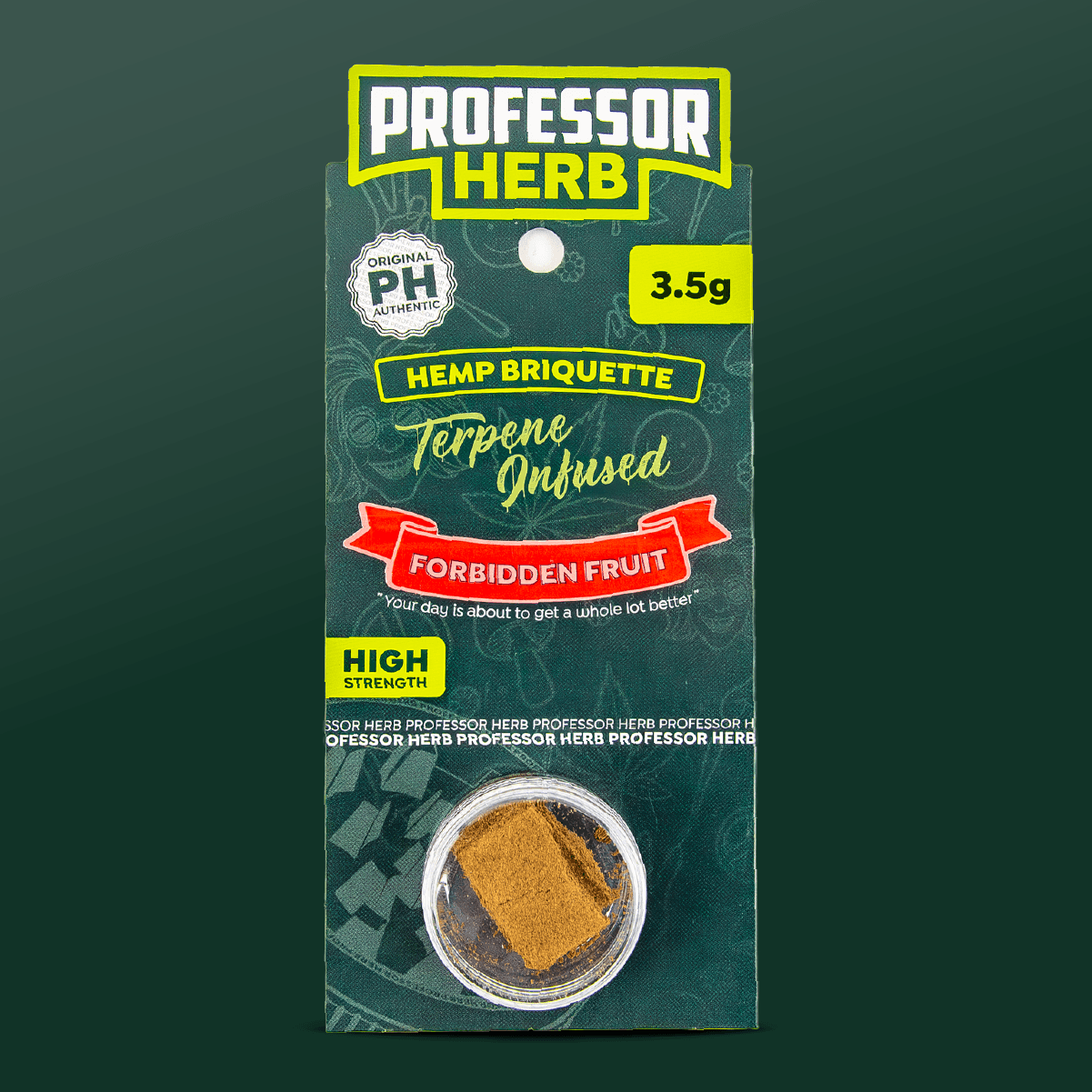
That is a more substantive kind of name than the ones on the brand's briquette range, where the ribbon names a flavour that has been added and tells you nothing about the material. This one tells you about method and character: sifted rather than washed, pressed, aged, and darker and earthier as a result. It just does not tell you where anything was grown.
It is worth saying that a style name is a perfectly reasonable thing to use, in the way that a Neapolitan pizza made in Leeds is still meaningfully Neapolitan. It only becomes a problem when a shop lets you believe otherwise, which is why we are spelling it out.
| Product | What the name refers to | Stated |
|---|---|---|
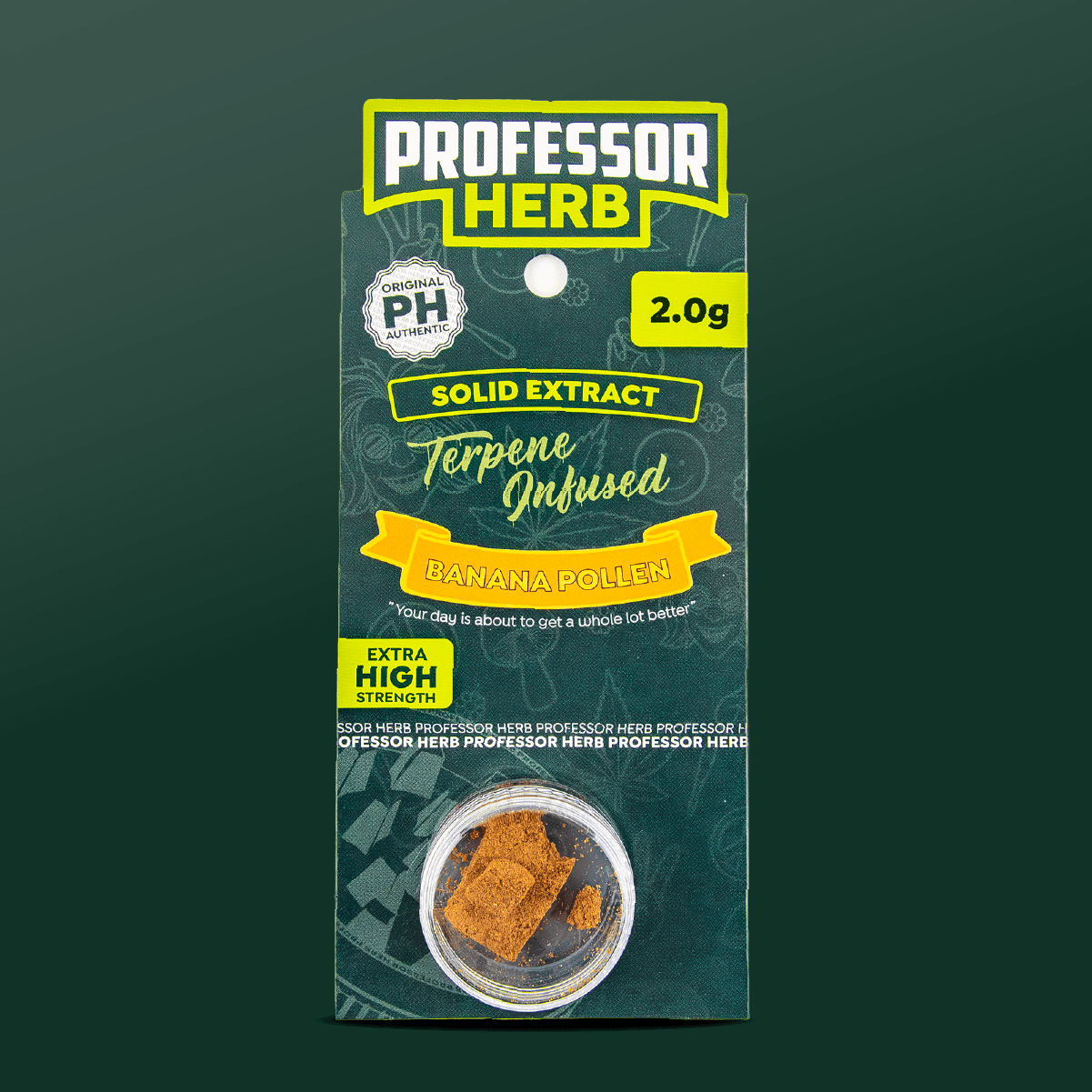
| [Banana Pollen Hash](/products/professor-herb-hemp-solid-extract-2g-banana-pollen-hash-15) | A sifted grade plus an added flavour | 15 per cent |
| Red Lebanon Hash (this page) | A regional tradition: sifted, pressed, aged | 17 per cent |
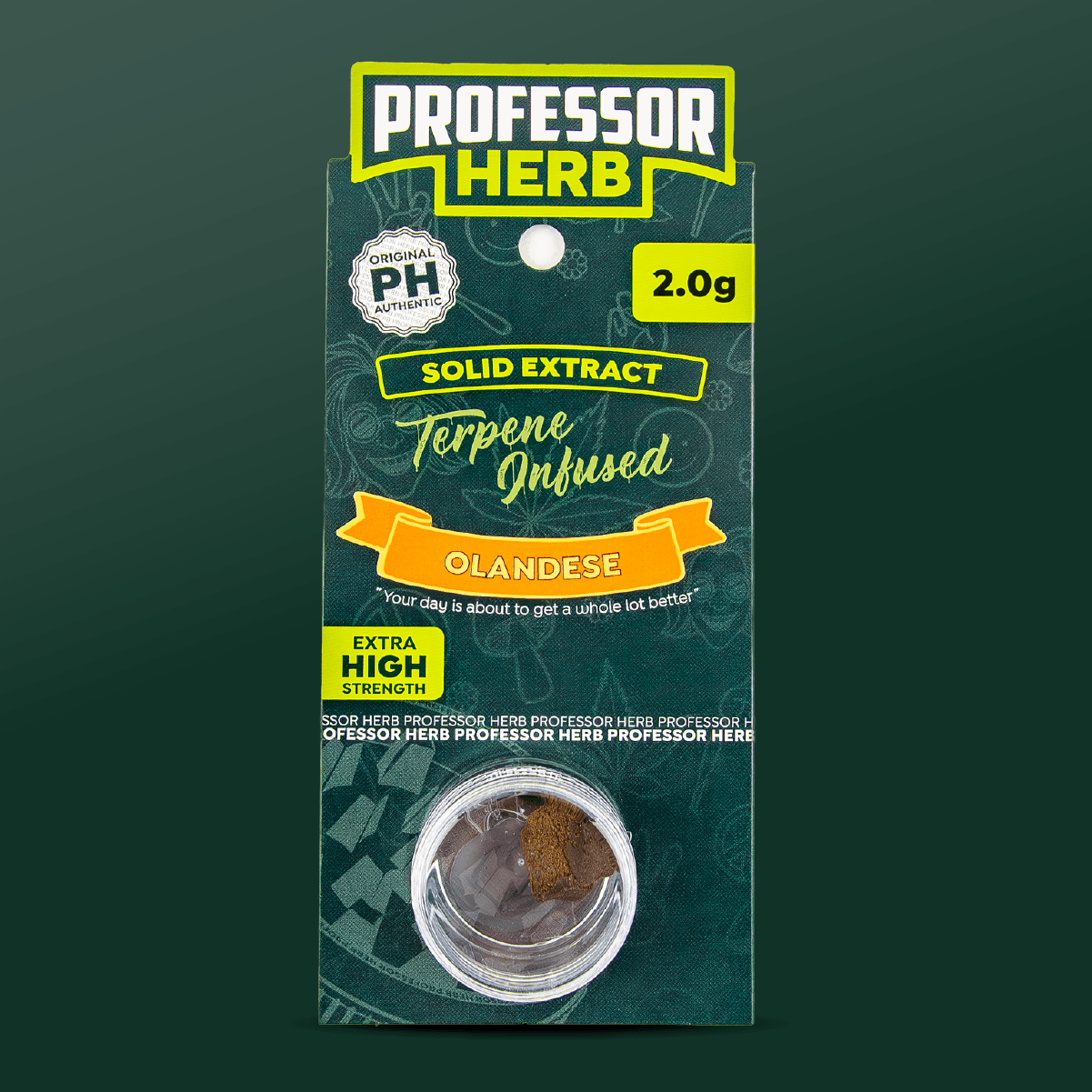
| [Olandese Hash](/products/professor-herb-hemp-solid-extract-2g-olandese-hash-18) | A Dutch style | 18 per cent |
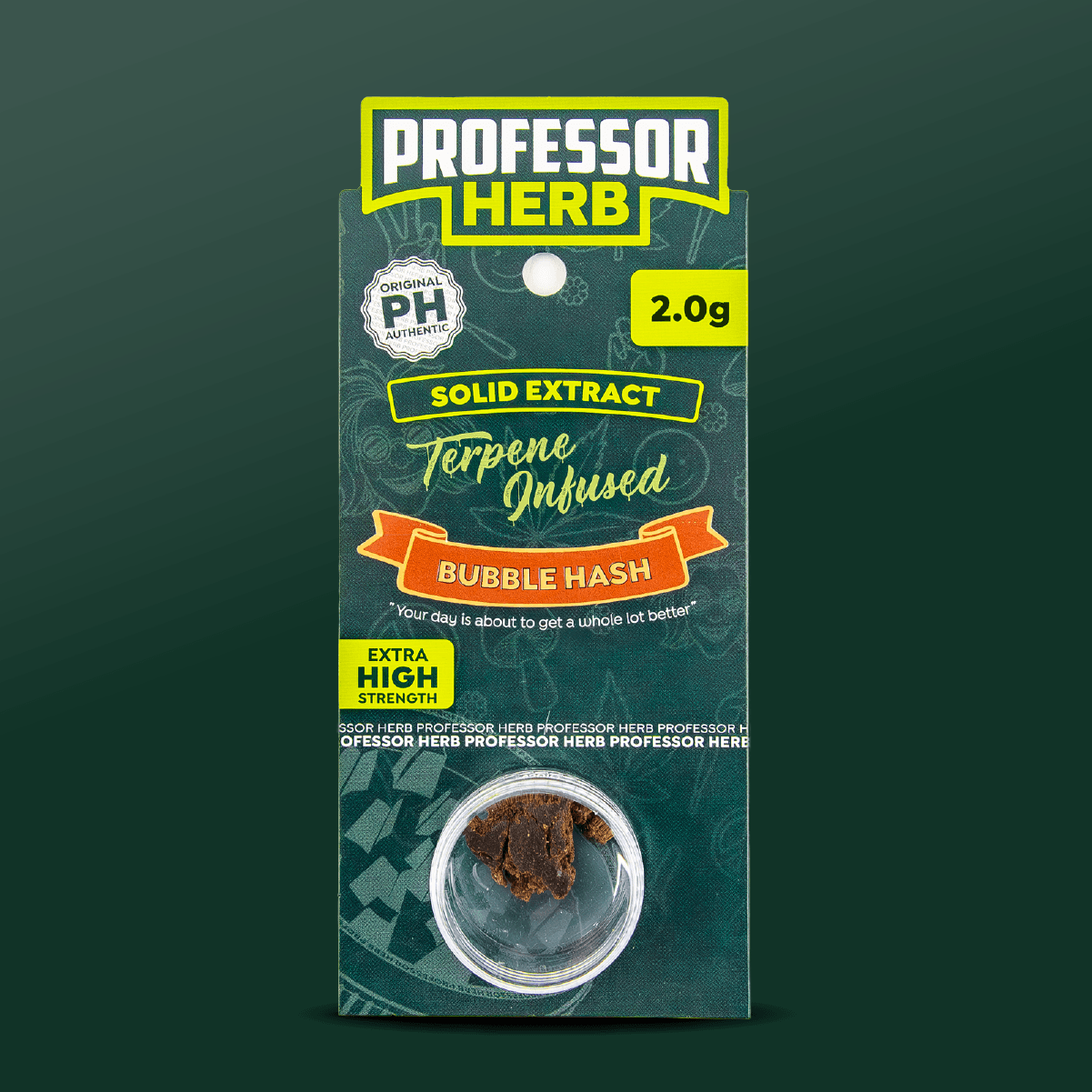
| [Bubble Hash](/products/professor-herb-hemp-solid-extract-2g-bubble-hash-19) | Ice-water separation, the method | 19 per cent |
| [Hash 22%](/products/professor-herb-hemp-solid-extract-2g-hash-22) | A Moroccan style | 22 per cent |
What it is like
Earthy is the word that does most of the work. There is a deep, slightly leathery quality to a red-style material that the lighter grades do not have, with a faint spice underneath and none of the bright green resinous edge you get from something fresher.
It is the least sweet thing in this brand's hash line-up by a wide margin. Nothing has been added to make it taste of fruit or dessert, and after nine flavoured briquettes it reads as almost austere by comparison. If you have found the flavoured products cloying, this is the opposite end of the catalogue.
The material is firm and dark, softening with warmth and handling rather than crumbling to dust. The aroma out of the pot is rich and low rather than sharp, and it fills a room more slowly than a citrus profile does.
The pack states 17 per cent, which places it in the middle of the five solid extracts the brand makes. Given what the tradition is actually prized for, that middling position is arguably the least interesting fact about it.
Worth knowing before you order
The style name is missing from this product's title as it reaches us, which is why the listing reads simply Hash 17%. We have restored Red Lebanon to the name shown here so it can be found, and logged the gap for correction at source. It changes nothing about what arrives.
Professor Herb also sells a solid extract line at the same 2g size containing H4CBD rather than CBD, and the two are confused constantly. This is the hemp and CBD one. Our page on the H4CBD solid extract sets out why they are not interchangeable.
The pack carries a QR code to an analysis. Who runs that testing, and which cannabinoids their panel covers, is on our Guava Dog page.
This range is on our site on an explicit decision by the owner of this business. Smokable hemp sits outside the industrial hemp cultivation licence, which covers stalk and seed, and we would rather say so than leave it out.
Who should pick something else
If you want flavour, this is the wrong end of the range entirely. Nothing has been added and nothing is meant to have been.
If you want the highest stated figure, the Moroccan style at 22 per cent is the top of this ladder and several products elsewhere on our hemp and hash shelf state more again.
If you dislike earthy, leathery, aged flavours, ageing is the defining feature here rather than an incidental one. A blonde-style or a washed grade will suit you better.
If you were buying it because you assumed it came from Lebanon, it does not, and we would rather you knew that now.
Over-18s only. This is not a food and it is not a medicine, and nothing here should be read as suggesting otherwise.
Frequently asked questions
- What makes Red Lebanese hash red?
- Time. The material is harvested later in the season and then aged, commonly for something in the region of four to eight months, during which the resin slowly oxidises and the colour deepens from golden through amber towards brick. The ageing is part of the production rather than storage, and the flavour deepens along with the colour.
- Is red Lebanese hash better than blonde?
- Neither is better. They are different points in the same process: blonde comes from an earlier harvest with less ageing and stays lighter, cleaner and spicier, while red comes from a later harvest aged considerably longer and turns earthier and more layered. Anyone presenting red as the premium grade is describing a ranking the tradition does not actually have.
- Does dark hash mean lower quality?
- Not on its own, and this product is the clearest example of why. On a modern washed or sifted grade, darker material can mean more plant matter or unwanted oxidation. In the Red Lebanese tradition that same oxidation is deliberate and is the entire point of ageing the bricks for months. Colour only tells you something once you know which tradition you are looking at.
- Is this hash actually from Lebanon?
- No. Professor Herb's solid extract range is grown and extracted in Italy from indoor-grown hemp, and Red Lebanon describes the style of production rather than where anything was grown. That means sifted rather than washed, pressed, and aged until it darkens. It is a reasonable use of a style name, but it is a style name.
- How is Lebanese hash traditionally made?
- Plants are sun-dried rather than dried indoors, then the dried flower is rubbed and sifted over fine mesh or silk screens so the resin separates as a powder. That powder is wrapped in cloth and pressed with gentle heat into bricks, which are then aged for months before they are sold. The ageing stage is what distinguishes it from most other sifting traditions.
- What does Red Lebanon hash smell and taste like?
- Deep and earthy with a slightly leathery quality and a faint spice underneath, and none of the bright green resinous edge that fresher material has. It is the least sweet product in this brand's hash line-up by a wide margin, since nothing has been added to it, and the aroma is rich and low rather than sharp.
- Why does your listing call it Hash 17% with no style name?
- The style name arrived in a separate field in our supplier feed rather than in the product title, so the raw listing reads as just a percentage. We have restored Red Lebanon to the name shown on this page so it can be found and logged the gap for correction at source. Nothing about the product itself is affected.
- Does a stated 17 per cent make this a mid-range product?
- It places it third of the five solid extracts the brand makes, between the flavoured pollen grades at 15 and the Moroccan style at 22. Whether that matters depends on what you want from it, since the Lebanese tradition earned its reputation on being smooth and balanced rather than on strength, so the percentage is arguably the least interesting thing on the label.
Updated July 2026
Reviews
No reviews for Professor Herb Hemp Solid Extract 2g, Red Lebanon Hash 17% yet. We only publish feedback from people who have actually bought the product, so this stays empty until a real one arrives rather than being filled with anything we made up.
Bought this? Write a review
Write it here and we will check it against your order before it goes up. We publish the critical ones too, so long as they are from a real buyer.
Prefer not to use the form? Send it over instead:
More hemp & hash
Hash, solid extracts, shatter and pre-rolls