Multitrance
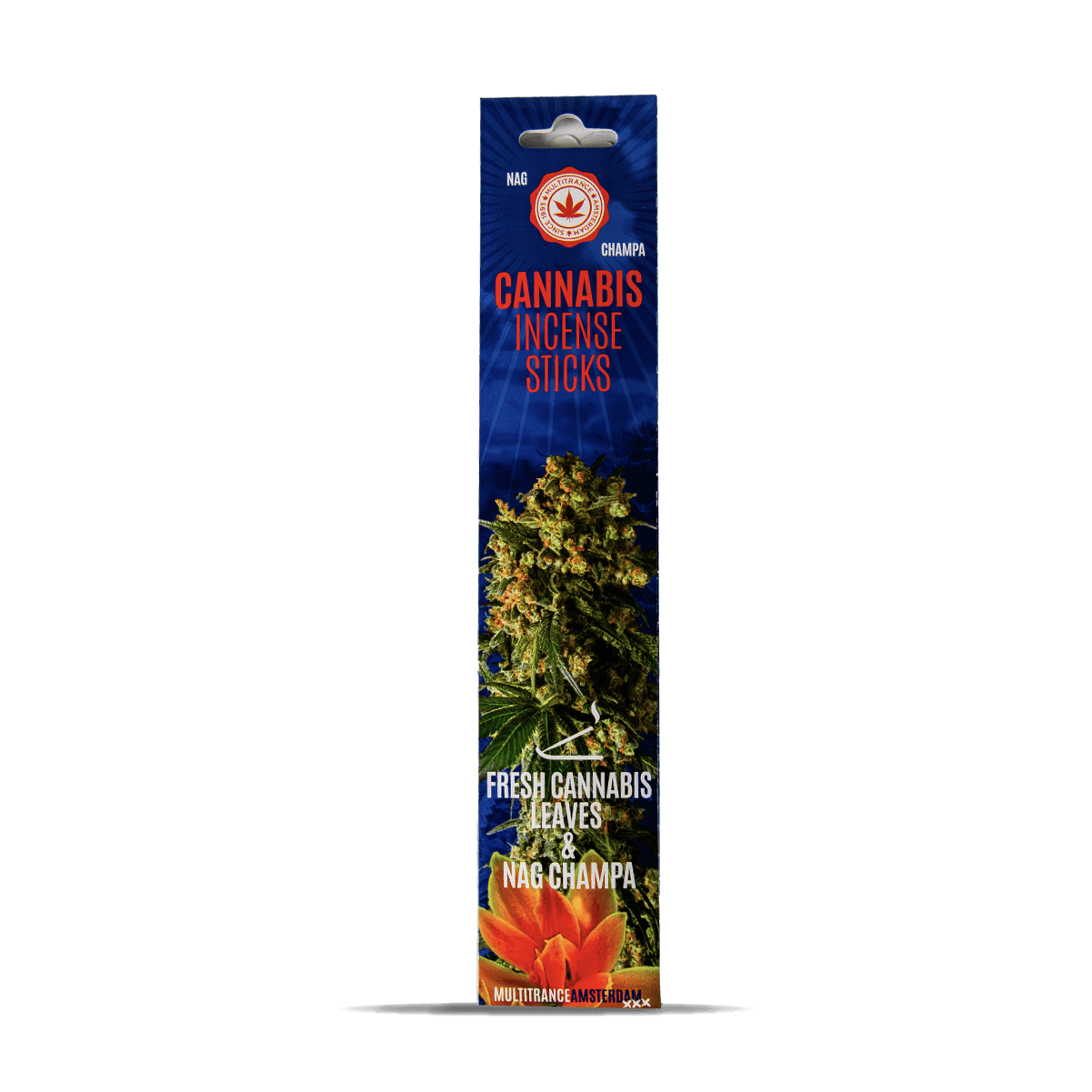
Multitrance Dry Cannabis and Nag Champa Incense Sticks
£8.99
£1.50 each
In stock — dispatched today if ordered by 3pm
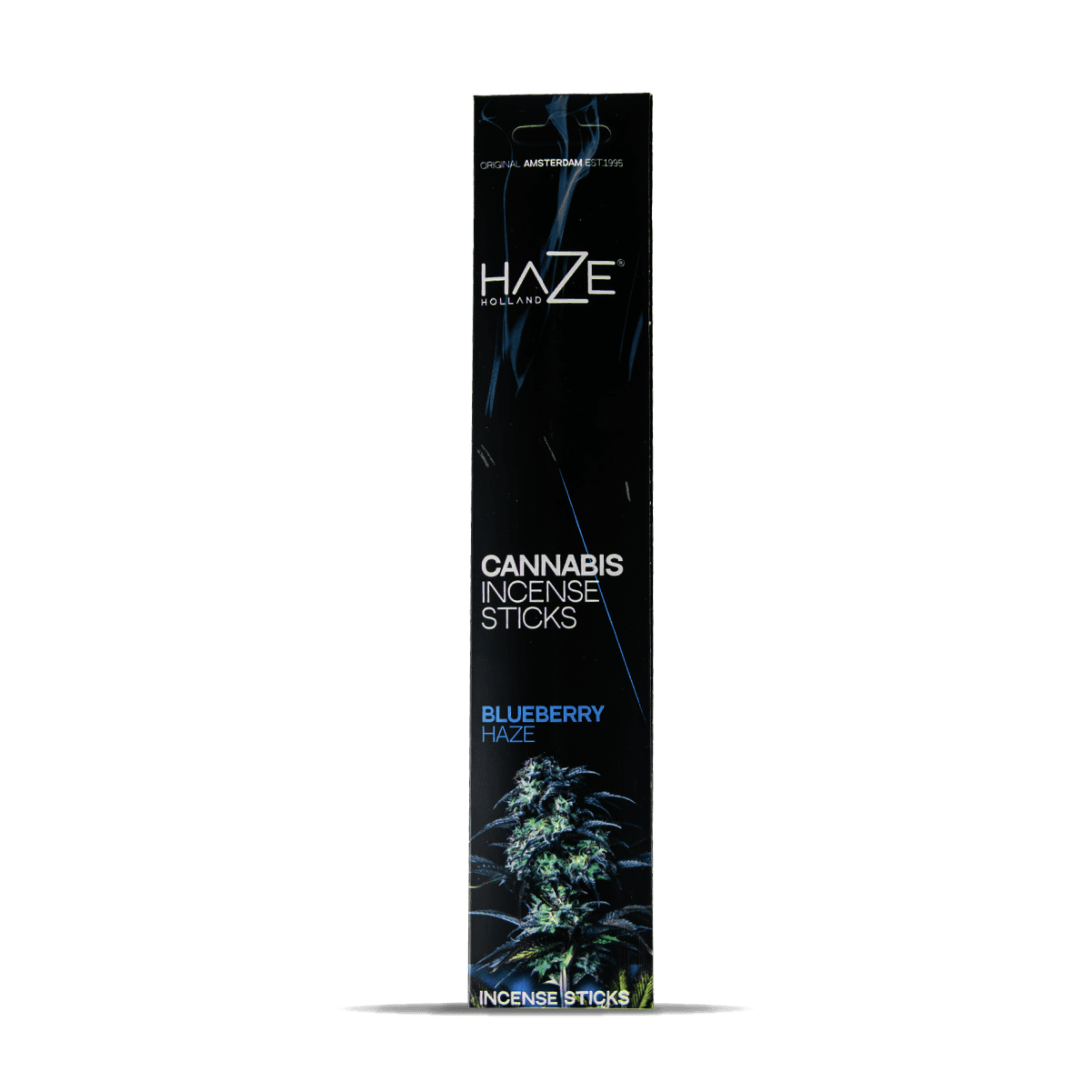
Cannabis scented incense sticks built on the classic Nag Champa accord of sandalwood, champaca flower and resin. A room fragrance. Contains no CBD. 18+ only.
- Free UK delivery on orders over £30
- Third-party lab-tested — COA on every batch
- Discreet plain packaging, no branding outside
- Sold to over-18s only, age-checked at checkout
Multitrance Cannabis Incense Sticks in Dry Cannabis and Nag Champa pair a dry, hay-like cannabis note with the most famous accord in incense. Nag Champa is not a fragrance name in the way vanilla or lavender is. It is a recipe, with three defined components and a documented history, and one of those components has become scarce enough that modern Nag Champa does not smell the way people who burned it thirty years ago remember. No listing selling this product tells you any of that, so this page does.
Nag Champa is a recipe, not a scent
Say vanilla and you have named a smell. Say Nag Champa and you have named a formula, which is why two sticks bearing the name can smell noticeably different from each other.
Three things define it. A sandalwood base, which is where the warmth and the grounding weight come from. Champaca flower, botanically Magnolia champaca, which is the champa in the name and supplies a soft, slightly heady floral note. And halmaddi, a tree resin that binds the other two together and carries the earthy sweetness underneath.
The blend is Indian, it belongs to a tradition of temple and household incense going back a very long way, and its modern global form was established by Indian producers in the twentieth century. The version most people picture, in the blue box, comes from one Bangalore-linked maker whose product became the reference point for the whole category.
Understanding it as a recipe rather than a scent is the thing that makes it possible to judge one stick against another. If a Nag Champa smells thin, something is missing from the formula rather than the perfumer having a different opinion.
| Component | What it is | What it contributes |
|---|---|---|
| Sandalwood | The base wood, used in incense for millennia | Warmth, weight and a grounding creaminess |
| Champaca flower | Magnolia champaca, the champa of the name | A soft, heady floral lift |
| Halmaddi resin | Sap of the Ailanthus malabarica tree | Binds the blend, adds earthy sweetness and slows the burn |
Why Nag Champa does not smell the way you remember
This is the part worth knowing and it explains most complaints about modern incense.
Halmaddi is a grey, semi-liquid resin tapped from the Ailanthus malabarica tree, and it is hygroscopic, which means it pulls moisture out of the air. That is why a genuine old-style Nag Champa stick feels slightly damp and tacky rather than dry, and why it burns slowly and steadily.
Halmaddi has become scarce. As a result most Nag Champa made today substitutes other tree resins, cedar and pine among them, which do the binding job but are not hygroscopic.
The consequence is physical rather than a matter of taste. Sticks made with substitute resins are drier and harder to the touch, they burn faster, and the sweetness underneath the sandalwood is lighter. If you burned Nag Champa in the nineteen-nineties and think it has changed, you are not imagining it. The recipe has changed across most of the market.
Nobody selling incense mentions this, which is a shame, because it is the difference between a buyer thinking a product is poor and understanding what actually happened to the category.
What the cannabis note does to it
This stick is not a straight Nag Champa. It is Nag Champa with a dry cannabis note layered into it, which is an unusual pairing and worth describing honestly.
The cannabis side of the Multitrance range divides into a fresh, green profile and a dry, hay-like one. This uses the dry one, which is the more sympathetic choice: dry cannabis is herbaceous and slightly sweet in the same register the halmaddi-style base occupies, where a fresh green note would sit awkwardly against sandalwood.
What you get is the recognisable Nag Champa shape, warm and floral over a resinous base, with a herbal dryness running through it rather than sitting on top. It is less sweet than the fruit scents in the Multitrance range and considerably less confected.
If you have burned Nag Champa before, this will read as a variation on something familiar rather than as a new smell. If you have not, it is the least sweet and most traditional-smelling option in the whole Multitrance incense range, and the closest thing in it to conventional incense.
An Indian accord, made in Europe
There is a tension in this product that is better said than glossed over.
Nag Champa is defined by Indian materials, an Indian tradition and Indian makers. Authentic sticks are hand rolled, which is part of why no two are identical. This product is produced in the European Union on machine-made sticks by an Amsterdam company.
That is not a criticism and it is not a claim of inauthenticity. Machine production gives you consistency, which hand rolling does not, and a European stick will burn the same way each time in a way an Indian masala stick will not. Plenty of people prefer that.
But it does mean you should calibrate your expectations. This is a Nag Champa accord interpreted in a European fragrance stick, not a hand-rolled Indian masala incense, and if the tacky, uneven, slow-burning character of a traditional stick is specifically what you want, this is not that and no European machine-made stick will be.
We sell Nag Champa twice, and they are two products
Worth clearing up, because it looks like an error and it is not.
This listing is the standalone Dry Cannabis and Nag Champa stick under the Multitrance name. Separately, our HaZe multi-scent listing carries Nag Champa Cannabis as one of its twelve options.
When we first mapped the Multitrance incense range we assumed this was a catalogue duplication. It is not. The manufacturer genuinely sells two Nag Champa cannabis incense products, one under the Multitrance name and one under the HaZe name, and both appear on its own website as separate lines.
What we cannot tell you is how different they smell, because neither the maker nor any retailer publishes a comparison, and we are not going to invent one. If you want the Nag Champa scent alongside eleven others in a single listing, the HaZe page is the one to use. If you want this one specifically, this is it.
On format, the manufacturer packages this range as fifteen sticks a pack with six packs to a carton, and burn time across the range is stated at thirty to forty-five minutes a stick.
| Listing | Scent | Choose it when |
|---|---|---|
| Dry Cannabis and Nag Champa, this page | Nag Champa accord with a dry cannabis note | You want the traditional incense character |
| HaZe Cannabis Incense Sticks | Twelve scents including a Nag Champa Cannabis | You want to compare across the range |
| Dry Cannabis, five scents | Sweet and fruit led | You want the shorter, sweeter selection |
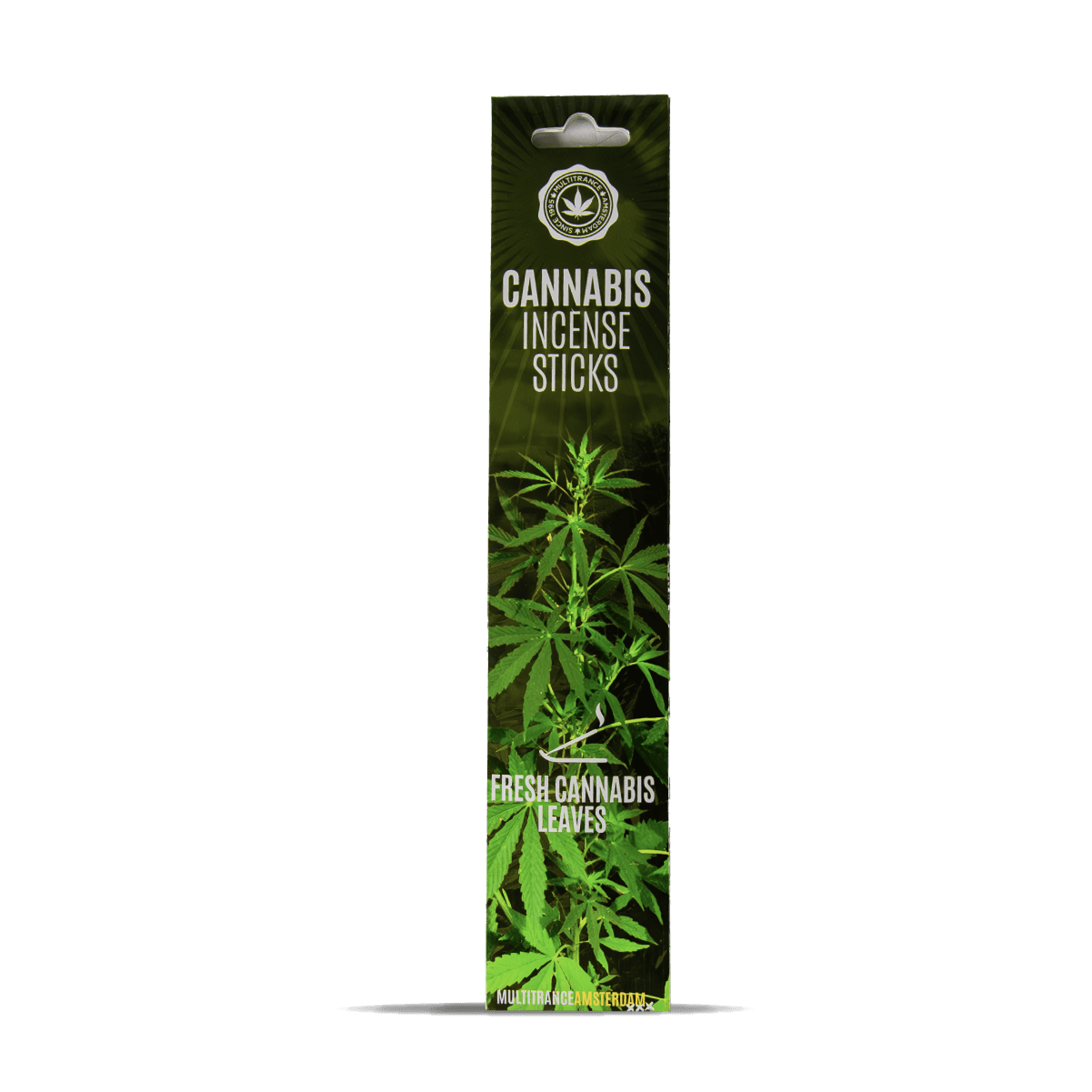
| Fresh Cannabis Leaves | Green and herbal | You want the fresh cannabis note, not the dry one |
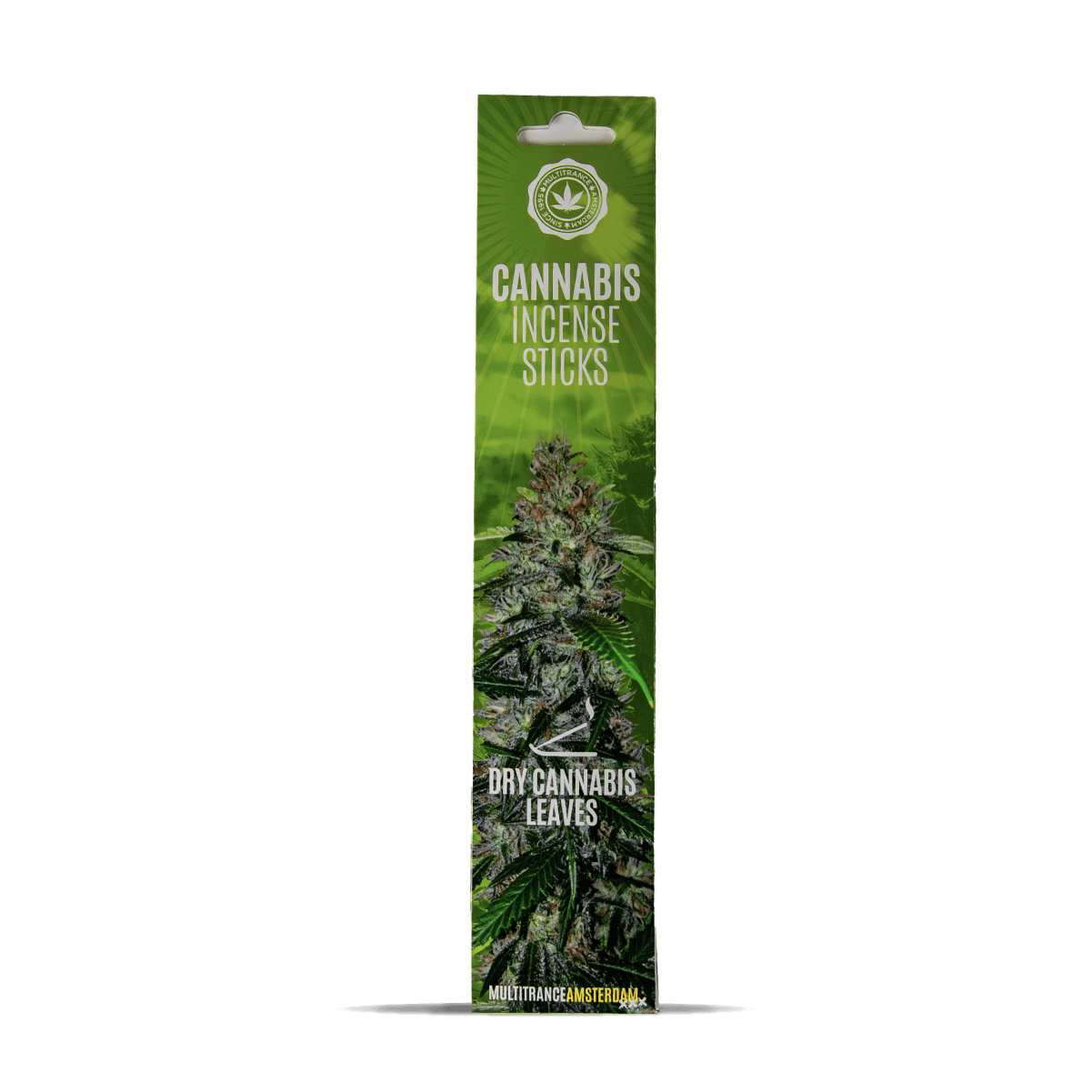
| Dry Cannabis Leaves | The dry, hay-like cannabis note alone | You want cannabis with nothing layered over it |
| Dry Cannabis and Vanilla | Warm vanilla over the dry base | You want sweetness rather than resin |
Who should choose something else
If you want CBD, there is none in this. It is a fragrance stick and it contains no cannabinoid of any kind. The CBD aisles are linked below.
If you specifically want traditional hand-rolled Indian Nag Champa with halmaddi in it, buy that instead. This is a European interpretation of the accord and it will not have the damp, tacky, slow-burning character of the real thing, because almost nothing on the market does any more.
If anyone in the household has a respiratory condition, or there is an infant or a bird in the room, do not burn incense there. That applies to every incense, not this one in particular.
And if you dislike floral scents, Nag Champa is floral at its heart. The champaca flower is a defining part of the recipe rather than a background note, and the plainer Dry Cannabis Leaves stick in our range is the one to choose instead.
Frequently asked questions
- What is Nag Champa made of?
- Three things define the accord: a sandalwood base, champaca flower, which is Magnolia champaca and gives the champa in the name, and halmaddi, a tree resin that binds the blend and adds an earthy sweetness. It is a recipe rather than a single fragrance, which is why sticks bearing the name differ.
- Why does modern Nag Champa smell different from older sticks?
- Because halmaddi resin has become scarce and most makers now substitute cedar, pine or other resins. Halmaddi draws moisture from the air, so genuine old-style sticks were damp and tacky and burned slowly. Substitutes are not hygroscopic, so modern sticks are drier, harder and faster burning.
- What tree does halmaddi resin come from?
- Ailanthus malabarica, sometimes called the white bean tree. The resin is grey and semi-liquid rather than hard like frankincense, and its moisture-absorbing property is what gave traditional Nag Champa its characteristic sticky texture and slow, even burn.
- How does the cannabis note sit with Nag Champa?
- Better than you might expect, because this uses the dry rather than the fresh cannabis profile. Dry cannabis is herbaceous and faintly sweet in the same register as the resinous base, so it runs through the blend rather than fighting it. A fresh green note would sit awkwardly against sandalwood.
- Is this the same as the Nag Champa in your HaZe incense listing?
- They are two separate products, not a duplicate listing. The manufacturer sells a Nag Champa cannabis incense under the Multitrance name and another under the HaZe name, and both appear on its own site. How much they differ in scent is not published by anyone and we are not going to guess.
- Is this authentic Indian Nag Champa?
- No, and we would rather say so. It is a European-made machine-produced stick interpreting the Nag Champa accord, made in the EU by an Amsterdam company. Traditional Nag Champa is hand rolled in India. Machine production buys consistency and loses the uneven, tacky character of a hand-rolled masala stick.
- Which Multitrance incense is the least sweet?
- This one, along with the plain Dry Cannabis Leaves. Nag Champa is resinous and floral rather than confected, and the dry cannabis note adds herbal weight rather than sugar. Most of the rest of the Multitrance range is fruit or dessert led and noticeably sweeter.
- Does Nag Champa incense contain any cannabis?
- No. This is a fragrance stick with a cannabis scent profile layered onto the Nag Champa accord. There is no cannabinoid in it, no CBD and no THC, and burning it has no effect beyond scenting the room. Cannabis here is a smell, in the same way champaca is.
Updated July 2026
Reviews
No reviews for Multitrance Dry Cannabis and Nag Champa Incense Sticks yet. We only publish feedback from people who have actually bought the product, so this stays empty until a real one arrives rather than being filled with anything we made up.
Bought this? Write a review
Write it here and we will check it against your order before it goes up. We publish the critical ones too, so long as they are from a real buyer.
Prefer not to use the form? Send it over instead:
More accessories
Grinders, trays, machines and incense